
 By Henry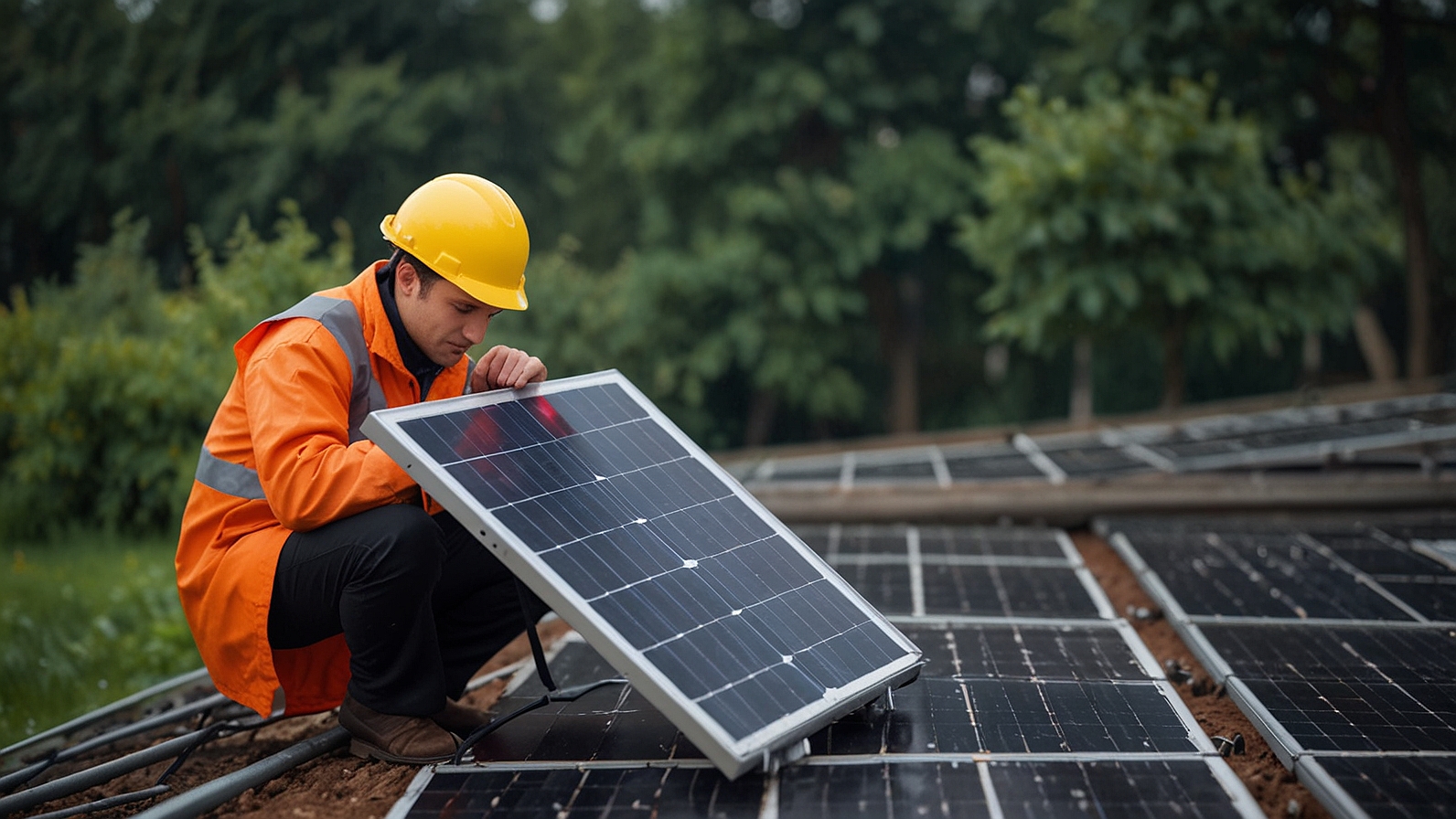
- Research suggests that HMS photovoltaik systems, powered by Hoymiles microinverters, offer high efficiency and reliability for residential solar setups, though performance can vary based on installation and local conditions.
- It seems likely that microinverter technology provides better energy yield in shaded or complex roofs compared to traditional string inverters, but initial costs may be higher.
- Evidence leans toward easy scalability and safety features making HMS ideal for beginners and pros alike, with debates around app reliability and clipping in some models.
Core Benefits of HMS Photovoltaik HMS photovoltaik stands out for its module-level optimization, which means each solar panel works independently. This boosts overall energy production, especially if your roof has shading from trees or chimneys. Safety is another big win: low DC voltages reduce risks during installation and operation. Plus, with built-in monitoring, you can track performance right from your phone.
Getting Started with Installation For a basic residential setup, pair HMS microinverters with high-efficiency panels (320-540W+). Models like the HMS-2000-4T handle up to four panels, making them efficient for homes. Installation involves mounting panels, connecting DC cables, and linking to your grid via AC trunks. Always consult a professional for compliance.
Cost Considerations Expect to pay $300-500 per microinverter, with full 6-10kW systems ranging from $15,000-25,000 depending on location and components. Savings come from reduced energy bills, often paying off in 5-10 years.
Imagine stepping out onto your balcony on a sunny morning, sipping coffee, and knowing that the small solar setup right above you is quietly powering your home. What if that simple system could cut your energy bills while giving you real independence from the grid? That’s the promise of HMS photovoltaik, a smart way to harness solar power without all the hassle. If you’re a homeowner tired of rising electricity costs or a contractor looking for reliable tech, this guide walks you through everything you need to know about Hoymiles Microinverter System (HMS) technology.
Let’s face it, going solar can feel overwhelming with all the options out there. But HMS photovoltaik simplifies things by focusing on microinverter technology, which turns DC power from your panels into usable AC right at the source. This decentralized approach means no big central inverter box taking up space in your garage. Instead, each panel (or small group) has its own converter, leading to better efficiency and fewer headaches.
Take Sarah from California, for example. She installed an HMS setup on her shaded roof and saw her energy yield jump by 20 percent compared to her neighbor’s traditional system. Why? Because with HMS, one shaded panel doesn’t drag down the whole array. It’s practical stuff like this that makes HMS a favorite for residential and small commercial properties.
At its core, microinverter technology is about making solar smarter. Traditional systems use string inverters, where panels are linked in a chain. If one panel underperforms due to dirt or clouds, the whole string suffers. HMS flips that script with module-level power electronics.
Here’s how it works in everyday terms: Picture your solar panels as a team of athletes. In a string setup, they’re chained together, so a slow runner holds everyone back. With HMS, each athlete runs their own race, optimizing output individually through Maximum Power Point Tracking (MPPT). This leads to higher solar module efficiency, often up to 96.7 percent CEC-rated.
Key perks include:
- Decentralized Power Generation: Power is converted at the panel, reducing losses over long cables.
- Energy Monitoring: Apps like S-Miles Cloud let you check real-time data on your phone, spotting issues early.
- DC to AC Conversion: Seamless and safe, with low voltages (around 60V) to minimize risks.
If you’re visualizing this, imagine a simple chart showing energy flow: Panels capture sunlight, microinverters convert it instantly, and clean AC power feeds your home or grid.
For most homes, start with a 5-10kW system to cover average needs (think a family of four using lights, appliances, and AC). Pair high-efficiency panels (400-500W each) with HMS-2000-4T microinverters, which handle four panels per unit for cost savings.
A solid residential blueprint might look like this:
- Panels: 12-20 monocrystalline units for rooftops.
- Microinverters: 3-5 HMS-2000 series for scalability.
- Monitoring: DTU-Pro-S for remote access.
- Add-ons: Battery storage if you want off-grid capability.
In real life, John in Texas scaled his array from 4kW to 8kW over two years without rewiring, thanks to HMS’s modular design. It’s perfect for eco-conscious homeowners who want to grow their system as budgets allow.
| Model | Input Panels | Max Output (VA) | Best For | Price Range (USD) |
|---|---|---|---|---|
| HMS-500-1T | 1 | 500 | Balconies/Small setups | 150-200 |
| HMS-1000-2T | 2 | 1000 | Medium homes | 250-350 |
| HMS-2000-4T | 4 | 2000 | Large residential | 350-450 |
This table compares popular HMS models, helping you pick based on your space and power needs.
Don’t worry if you’re new to this: HMS systems are designed for straightforward setup. Most folks hire electrical contractors, but DIY enthusiasts can handle basics with the right tools.
Step by step:
- Plan Your Layout: Assess your roof for sun exposure. Use online tools to estimate panel count.
- Mount the Panels: Secure them facing south (in the northern hemisphere) at a 20-40 degree tilt.
- Connect Microinverters: Attach DC cables from panels to the HMS unit. It’s plug-and-play for many models.
- Wire to Grid: Use AC trunk cables to link inverters and connect to your breaker box.
- Set Up Monitoring: Install the DTU device and pair it with the S-Miles app for smart solar solutions.
Safety first: Always wear PPE and check local codes. Videos from Hoymiles show it taking just a few hours for a 2kW system. If issues pop up, like connectivity glitches, a quick app reset usually fixes them.
Efficiency is where HMS shines. With peak ratings over 96 percent, these microinverters squeeze more power from your panels than many competitors. Features like reactive power control keep your system stable, even during grid fluctuations.
Compared to others, HMS handles high-powered modules (up to 640W per input), making it future-proof. Plus, IP67-rated enclosures protect against weather, ensuring longevity up to 25 years.
Upfront, expect $15,000-25,000 for a 6-11kW residential kit, including panels and installation. Microinverters alone run $150-450 each. But savings add up: Reduced bills (often 50-70 percent off), tax credits, and net metering can recoup costs in 5-8 years.
For instance, a Reddit user in Arizona got a 9kW HMS system for $22,000, praising its value over pricier brands like Enphase.
Traditional string inverters are cheaper initially but fall short in performance. HMS offers:
- Up to 30 percent more yield in shaded spots.
- No single-point failures.
- Easier expansion.
Drawbacks? Slightly higher cost and potential app quirks. But for integrated solar energy with HMS photovoltaik, the pros outweigh them for most users.
Start small, like a balcony kit, and add panels later. The modular setup means no major overhauls. Aim for photovoltaic components that match, like compatible batteries for hybrid systems.
HMS ties into grid-tie solar kits seamlessly, letting you sell excess power. With smart features, it optimizes for peak times, boosting ROI.
Picture an infographic here: A home with arrows showing energy flow from panels to appliances, grid, and monitoring app.
HMS photovoltaik isn’t just tech, it’s a step toward a greener, more self-reliant life. Whether you’re a DIY fan or hiring pros, its benefits in efficiency, safety, and ease make it a smart choice.
3 Things to Try Tomorrow:
- Calculate your home’s solar potential with an online estimator.
- Contact a local installer for an HMS quote.
- Download the S-Miles app to see sample monitoring.
What’s holding you back from going solar, or what’s your biggest question about HMS?
You May Also Like: Sylveer: More Than a Name, A Vision for Upscale Innovation
What is HMS photovoltaik?
HMS photovoltaik refers to solar systems using Hoymiles microinverters for efficient, panel-level power conversion.
How does HMS compare to traditional inverters?
HMS provides better optimization and safety but at a higher initial cost than string inverters.
Is HMS suitable for beginners?
Yes, with plug-and-play designs and simple guides, it’s accessible for new users.
What warranty does HMS offer?
Up to 25 years, ensuring long-term reliability.
Can I monitor my HMS system remotely?
Absolutely, via the S-Miles Cloud app for real-time data.
How much does a basic HMS setup cost?
Around $15,000-20,000 for a residential 5-7kW system.
Is HMS good for shaded roofs?
Definitely, as each panel operates independently.