
 By Henry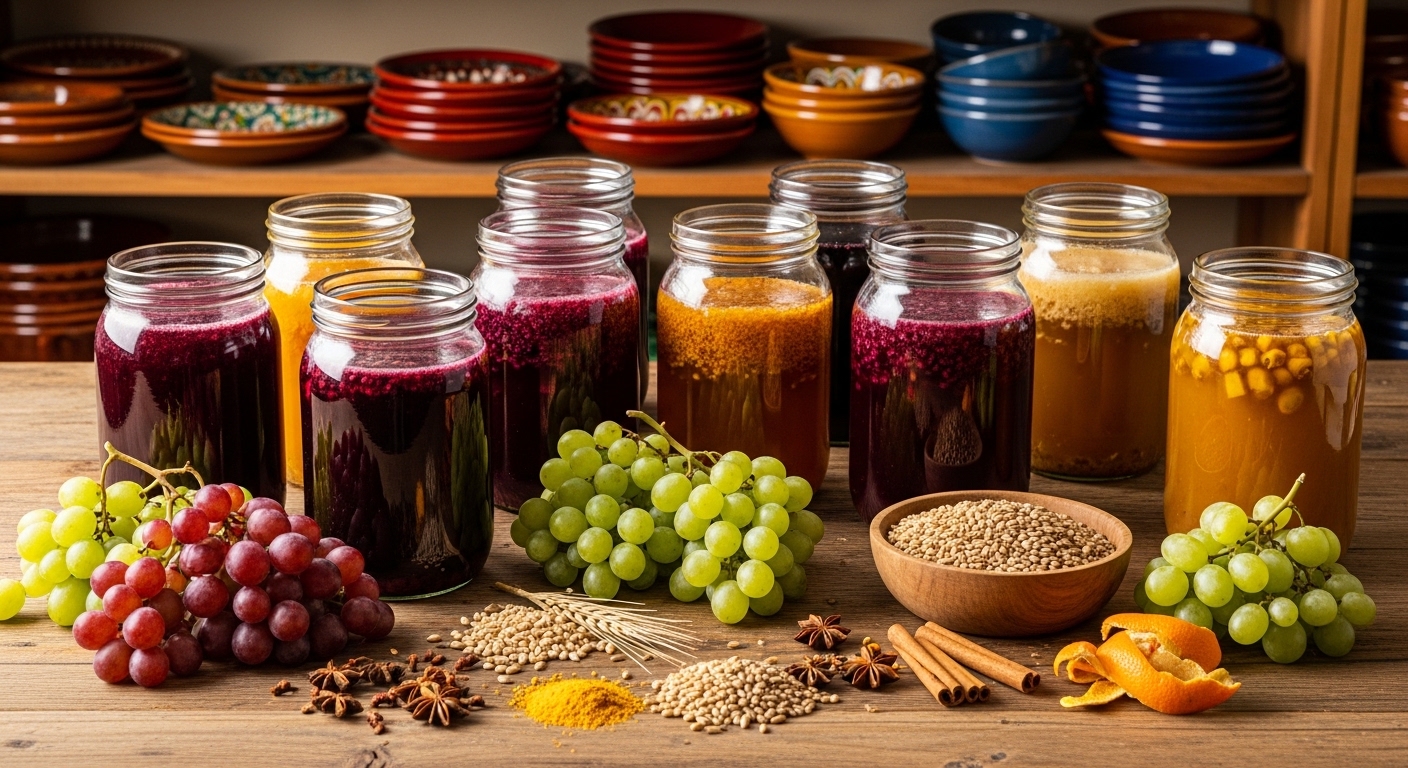
Imagine biting into a dish where a subtle tang meets deep umami notes, like a secret spice unlocking layers of flavor you never knew existed. That’s the magic of musté, a fermented gem that’s been hiding in traditional kitchens for centuries and is now capturing hearts in modern cooking. If you’re a culinary enthusiast or someone chasing better gut health, musté might just become your new favorite ingredient. Let’s dive into what makes it special, from its rich history to easy ways you can try it at home.
Key Points:
- Musté is a versatile fermented food that offers a unique umami flavor profile, often with tangy, smoky, or citrusy hints depending on the variation.
- Research suggests it supports gut health through probiotics, potentially aiding digestion and boosting immunity, though individual results can vary.
- It seems likely that musté’s bioactive compounds contribute to reducing inflammation, similar to other fermented foods, but more studies are needed to confirm specifics.
- Traditional recipes highlight its role in diverse cuisines, making it accessible for beginners while appealing to seasoned cooks.
- While generally safe, consult a doctor if you have sensitivities, as fermentation can affect some people differently.
Musté stands out as a traditional fermented ingredient, often appearing as a paste, sauce, or beverage. It comes from natural fermentation of bases like grains, fruits, or grape must, transforming simple elements into something packed with flavor and nutrition. Think of it as nature’s way of enhancing food: microbes work their wonders, creating probiotics and boosting nutrient levels. In some cultures, it’s a thick paste for stews; in others, a tangy drink for sipping. This versatility draws in health-conscious foodies and home cooks alike, especially those interested in probiotic-rich foods.
Musté’s story starts in ancient times, rooted in Asia, Africa, the Mediterranean, and even Indigenous American practices. Back then, people fermented grains like millet or sorghum in Africa to make nutrient-rich pastes for soups, helping preserve food in harsh climates. In Asia, it tied into traditions like soy pastes, adding depth to meals. Mediterranean versions often used grape must, crushing fresh grapes into sweet, rich bases for syrups or wines. Indigenous communities in the Americas turned fruits like berries into ceremonial drinks, symbolizing healing and abundance.
This wasn’t just about eating; it connected to rituals and community. Villagers would gather around fermenting vats, sharing stories while honoring nature’s cycles. Through trade and migration, musté spread, adapting to local ingredients. Today, it’s evolving into a modern trend, blending heritage with innovative kitchens worldwide.
Fermentation turns musté into a powerhouse. Start by choosing a base: grains for a hearty paste, fruits for a beverage, or grapes for something sweet. Clean and mash them, then let natural yeasts and bacteria take over at room temperature. This can last days to weeks, with sugars converting to alcohol, lactic acid, and flavors. Stir occasionally, monitor bubbles, and add spices for aroma. Once done, strain for liquids or mash for pastes, then store in cool spots.
Lactic acid bacteria play a starring role, creating that signature tang while enriching nutrients. It’s simple enough for home experimentation, but always use clean tools to avoid off flavors.
Musté’s taste is a adventure: core umami from fermentation, like a savory hug, mixed with tanginess that brightens any dish. Depending on the type, you might catch smoky notes from spiced versions or citrusy zing from fruit bases. African styles are thick and sour, perfect for hearty soups; Asian ones amp up umami in stir-fries. Mediterranean grape must brings fruity richness, while American fruit varieties add a light, acidic kick.
Pair it with salty foods for balance, or let herbs like basil or mint lift its brightness. It’s that “hidden gem” because one spoonful can transform a meal from ordinary to unforgettable.
Musté shines in health perks, thanks to its fermentation. Probiotics from lactic acid bacteria support the gut microbiome, improving digestion and immunity. Enzymes break down fibers, making nutrients more bioavailable, like vitamins and minerals that your body absorbs better.
The evidence leans toward anti-inflammatory effects: antioxidants combat oxidative stress, potentially lowering chronic disease risks. Studies on fermented foods show reduced inflammatory markers, like TNF-alpha, which musté likely shares. For gut health, it balances microbes, aiding issues like bloating. Some even link it to better mood via the gut-brain axis.
Here’s a quick table comparing key benefits:
| Benefit | How Musté Helps | Supporting Evidence |
|---|---|---|
| Gut Health | Probiotics balance microbiome, improve digestion | Fermented foods enhance diversity and reduce inflammation |
| Anti-Inflammatory | Antioxidants reduce oxidative stress | Studies show lower inflammatory proteins |
| Nutrient Boost | Increases bioavailability of vitamins/minerals | Enzymes aid absorption |
| Immunity | Strengthens gut barrier | Probiotics support immune cells |
Remember, while promising, these benefits can vary; it’s not a cure-all, but a tasty addition to a balanced diet.
Start small: stir a spoonful into soups for umami depth, or use as a marinade for meats to tenderize with tang. In salads, drizzle as a dressing; in baking, it adds moisture to breads. For gut-friendly twists, mix into yogurt or pair with veggies. Experiment with spices to match your palate, like adding citrus for freshness.
Ready to try? Here’s a basic homemade musté, plus easy dishes.
Homemade Grape Musté
- Wash and crush 2 kg fresh grapes to release juice.
- Place in a clean vessel, add yeast if desired.
- Cover loosely, ferment in a cool spot for 14 days, stirring daily.
- Strain and bottle; age for a week. Yields tangy base for sauces.
Musté-Infused Stir-Fry: Sauté veggies and protein, add 2 tbsp musté for tanginess. Serve over rice.
Musté Marinade for Grilled Meats: Mix 3 tbsp musté with herbs, oil; marinate meat 2 hours. Grill for smoky flavor.
Musté Soup Base: Simmer broth with 1/4 cup musté, add grains and spices. Comforting and gut-soothing.
Musté Beverage: Dilute with water, add fruit for a probiotic drink.
Look in specialty stores for ready-made, or online for starters. For DIY, source fresh grapes or grains from markets. Fermentation kits help beginners.
Musté, that intriguing fermented ingredient, has woven its way through history and into today’s wellness-focused kitchens. From its ancient roots in diverse cultures to its role as a functional food, it offers a blend of tradition and science that’s hard to ignore. Let’s explore every nuance, building on the basics to uncover why it’s gaining traction among culinary enthusiasts and health seekers alike.
Picture this: in bustling African villages centuries ago, families fermented sorghum into thick pastes, not just for taste but for survival, extending shelf life in unpredictable seasons. Meanwhile, Asian artisans crafted soy-inspired versions, infusing umami that elevated simple meals to art forms. In the sun-drenched Mediterranean, grape must became the star, boiled into syrups that sweetened life and preserved harvests. And across the Americas, Indigenous groups turned berries and guavas into healing elixirs, shared in ceremonies that honored the earth. These practices weren’t isolated; trade routes carried musté’s essence far and wide, adapting it to new lands and palates. Fast forward to now, and musté is resurfacing in trendy cafes and home experiments, bridging old wisdom with new discoveries.
At its core, musté is fermentation in action, a process as old as civilization yet timeless in appeal. You begin with humble ingredients, grains for earthiness, fruits for vibrancy, or legumes for heartiness. After mashing, nature steps in: wild yeasts and bacteria feast on sugars, producing lactic acid that gives the signature zing. This alchemy happens over days or weeks, with careful monitoring to capture peak flavor. Add aromatic spices during this stage, and you unlock bold notes, smoky from cumin or citrusy from herbs. The result? A product teeming with bioactive compounds, from digestive enzymes to probiotics. It’s accessible: no fancy equipment needed, just patience and a clean jar.
Flavor-wise, musté is a chameleon. Its umami foundation comes from microbial magic, creating that satisfying depth you crave in savory dishes. Tangy undertones cut through richness, while variations bring surprises: smoky in spiced African pastes, citrusy in fruit-forward American drinks. East Asian styles echo miso, with fermented depth perfect for broths; Mediterranean ones offer sweet complexity for desserts. Sensory language captures it best: imagine the bold pop of aroma as you stir it into a stew, or the smooth, lingering finish in a sip. This profile makes musté a staple in traditional culinary practices, where it balances flavors and adds intrigue.
Turning to benefits, musté aligns with the rise of functional foods. Its probiotics nurture the gut microbiome, fostering diversity that eases digestion and bolsters immunity. Lactic acid bacteria break down complex elements, enhancing nutritional bioavailability so your body gets more from each bite. On inflammation, the picture is encouraging: fermented foods like musté may lower markers such as IL-6 and TNF-alpha, thanks to antioxidants and anti-inflammatory compounds. Research shows diets rich in these reduce oxidative stress, potentially easing chronic issues. Plus, it supports mental clarity via the gut-brain link. While not all studies are musté-specific, patterns from similar foods suggest strong potential.
In the kitchen, musté’s versatility shines. Use it as a base for musté-infused paella, where it mingles with seafood for vibrant depth. In curries, it blends with coconut for richness; in risottos, it creates creamy comfort. For mezze, drizzle over veggies; for grills, marinate meats to infuse smokiness. Beginners can start with these steps for homemade: crush grapes, ferment 14 days, strain. Then, try stir-fries or soups, adding musté for that probiotic punch. Sourcing? Ethnic markets or online for authentic; or make with local produce.
Wrapping up, musté invites exploration.
- Embrace fermentation for flavor and health.
- Start with simple recipes to build confidence.
- Pair with spices for custom twists.
- Listen to your body for best results.
- Share your creations, what did you try?
What are your thoughts on musté? Have you fermented at home? Drop a comment and let’s chat.
You May Also Like: The Ultimate Guide to Çbiri: Origins, Meaning, and Modern Uses
What exactly is musté?
Musté is a fermented ingredient, often a paste or beverage from grains, fruits, or grapes, known for umami and health perks.
How does musté benefit gut health?
Through probiotics and enzymes, it supports microbiome balance and digestion.
Can musté help with inflammation?
Evidence from fermented foods suggests yes, via antioxidants, but consult professionals for personal advice.
Where can I buy musté?
Check specialty food stores, online retailers, or make your own with basic ingredients.
Is musté suitable for beginners in cooking?
Absolutely, start with easy marinades or soups.
Does musté have any side effects?
Rare, but those with sensitivities to fermented items should start small.
How long does homemade musté last?
Stored cool, up to months, but check for off smells.