
 By Henry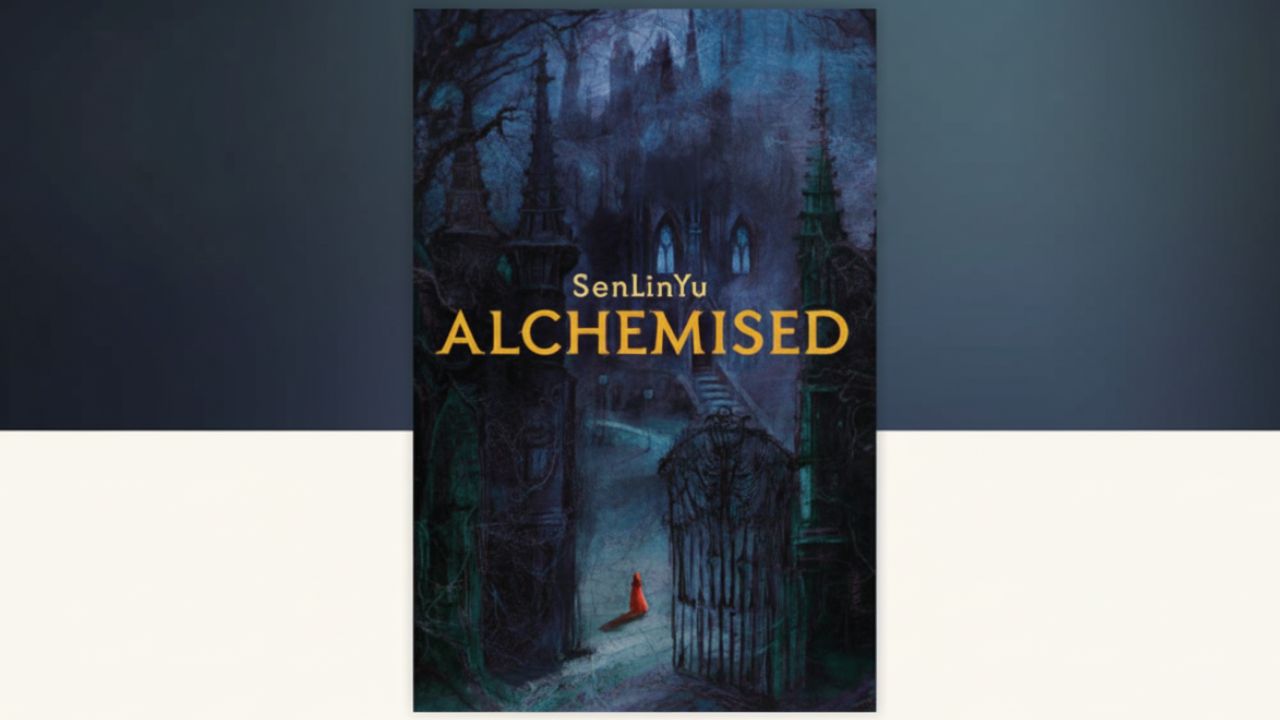
In the shadowed corridors of 2025’s literary landscape, where dark fantasy novels vie for dominance amid a surge of AI-generated tales, SenLinYu’s Alchemised stands as a beacon of human-crafted intensity—a New York Times bestseller that plunges readers into a war-ravaged realm of necromancy and forbidden desires. But can a story born from fan fiction origins truly capture the brutal essence of survival and loss? This guide unravels the threads of Helena Marino’s harrowing path, offering everything you need to know about the world-building, characters, and thematic depths that make Alchemised a must-read for fans of grimdark and gothic horror.
Alchemised is SenLinYu’s literary debut, a standalone dark romantasy novel released on September 23, 2025, that reimagines her acclaimed fan fiction Manacled as an original work. Set in the dystopian nation of Paladia, the story follows Helena Marino, a once-promising alchemist now imprisoned in a world scarred by war and ruled by corrupt guild families and depraved necromancers. With her memories erased and abilities suppressed, Helena must navigate a landscape of undead horrors and moral decay, all while uncovering secrets that could shatter her fragile reality.
The novel’s nonlinear structure—divided into three parts spanning from 1785 to 1799—mirrors the fractured psyche of its protagonist, blending flashbacks with present-day torment to build an atmosphere thick with dread and inevitability. Clocking in at over 1,000 pages, it’s a tome that demands immersion, rewarding readers with prose that’s elegantly brutal, like a velvet glove concealing a iron fist of trauma and redemption. For “romantasy” enthusiasts drawn to dark romance, it’s a tale where love emerges not as salvation, but as a double-edged blade in a war-torn realm.
Paladia is a grim, post-war dystopia where the remnants of a brutal conflict linger like festering wounds. Once a land of alchemical innovation, it’s now dominated by the victorious Undying—immortal beings sustained by necromancy—who enforce their rule through undead armies and oppressive guilds. The landscape evokes gothic horror: crumbling estates like Spirefell, remote islands shrouded in mist, and battlefields strewn with reanimated corpses, all under a sky heavy with the weight of lost faith and corrupted power.
At its core is the divide between the Order of the Eternal Flame, a resistance faction of alchemists fighting for mortal purity, and the Undying, led by the tyrannical High Necromancer Morrough. This setting isn’t mere backdrop; it’s a living entity that mirrors the characters’ inner turmoil, where every shadow hides a secret and survival exacts a soul-crushing toll. Imagine a world where the air hums with forbidden magic, much like the oppressive regimes in The Handmaid’s Tale, but infused with grimdark elements akin to Joe Abercrombie’s works—raw, unforgiving, and laced with moral ambiguity.
The magic in Alchemised is a sophisticated alchemy-based system grounded in “resonance,” an innate ability to transmute matter and energy. Unlike traditional fantasy spells, it’s technical and scientific, blending chemistry with mysticism to create a believable framework that enhances the story’s tension.
Here’s a breakdown in table form for clarity:
| Magic Type | Description | Key Users/Examples |
|---|---|---|
| Vivimancy | Manipulation of living matter, often for healing wounds or sharing life force. It’s draining and rare, symbolizing sacrifice. | Helena Marino, as a healer in the Resistance. |
| Necromancy | Reanimation and control of the dead, used to create undead armies. Represents corruption and immortality’s dark cost. | The Undying and Morrough, fueling their eternal war. |
| Animancy | Alteration of souls, minds, and memories—a forbidden extension of vivimancy that blurs ethical lines. | Helena’s hidden ability, central to her memory loss plot. |
This system isn’t just flashy; it’s integral to themes of power and identity. For instance, necromancy’s use for immortality critiques the pursuit of eternal life, while animancy explores psychological trauma, like erasing memories to control narratives. Think of it as a scalpel in a surgeon’s hand—precise, but capable of carving deep scars.
Helena Marino anchors the narrative as a resilient vivimancer and animancer, an immigrant healer whose selflessness often leads to her exploitation. Her journey from amnesiac prisoner to defiant survivor embodies the novel’s exploration of fragmented identity, with her memory loss serving as a metaphor for trauma’s erasure.
Kaine Ferron, the enigmatic High Reeve, is her captor-turned-lover—a morally gray figure haunted by his role as Morrough’s enforcer, yet secretly a Resistance spy. His obsessive devotion to Helena adds layers of forbidden love, echoing gothic archetypes like Heathcliff in Wuthering Heights.
Supporting cast includes Morrough, the tyrannical necromancer; Luc Holdfast, Helena’s privileged best friend in the Resistance; and Lila Bayard, a fierce ally who embodies vengeance. These characters aren’t black-and-white; their moral ambiguity drives the story’s grimdark edge, forcing readers to question heroism in a corrupt world.
Helena awakens in captivity, her mind a blank slate amid Paladia’s ruins. Tasked with unearthing her suppressed memories by the High Reeve, she grapples with flashes of a lost war, forbidden alliances, and a pregnancy that unlocks buried truths. The nonlinear timeline weaves her present struggles with wartime flashbacks, revealing a tale of espionage, sacrifice, and a love that defies oppression.
For those seeking the ending: It’s bittersweet, offering closure amid lingering shadows—Helena and Kaine escape to rebuild, but the world’s scars endure, emphasizing survival’s cost over tidy resolution. (Spoiler alert: Their daughter, Enid, symbolizes fragile hope in a fractured realm.)
Alchemised refines Manacled‘s core—a Dramione fanfic inspired by Harry Potter and The Handmaid’s Tale—into an original epic. Key changes:
- Characters and Setting: Hermione becomes Helena, Draco is Kaine; Hogwarts morphs into the Alchemy Institute; no Voldemort, instead Morrough’s necromantic regime.
- Magic System: Wand magic yields to resonance-based alchemy, removing IP ties while deepening world-building.
- Plot and Themes: Tighter editing enhances nuance, with added layers of corruption and trauma; overt Handmaid’s Tale references are omitted for originality.
Fans note Alchemised feels more polished, with improved pacing and standalone appeal.
Alchemised delves into psychological trauma with unflinching detail—PTSD, suicidal ideation, and memory loss as weapons of control. Systemic oppression, particularly of women, echoes gothic horror’s confined heroines, while moral ambiguity blurs lines between hero and villain.
Forbidden love between Helena and Kaine serves as redemption’s fragile thread, but it’s “beautifully brutal,” tainted by power imbalances and war’s horrors. The Resistance’s flaws highlight that no side is pure, much like in grimdark tales where survival trumps idealism.
For SenLinYu followers or Manacled devotees, it’s a evolution; for gothic enthusiasts, its atmospheric manors and body horror evoke Frankenstein. Grimdark fans will appreciate the no-heroes ethos, akin to The Poppy War. It’s not light “romantasy”—expect triggers—but its depth rewards those craving somber introspection.
Critics hail it as a “dark, disturbing fantasy epic” with vivid prose and ambitious scope. Ratings average 4.55 on Goodreads, praising the haunting narrative and character complexity, though some note repetitiveness. For dark fantasy fans, it’s a profound meditation on power’s cost, blending tragedy with glimmers of hope.
In summary, Alchemised isn’t just a read—it’s an experience that lingers like a ghost in the mind. Dive in if you’re ready to confront the darkness within. What aspect of Helena’s journey intrigues you most?
What is the main difference between Alchemised and Manacled?
Alchemised removes all Harry Potter elements, replacing them with an original alchemy-based magic system and characters, while retaining the core wartime romance and trauma themes.
Is Alchemised suitable for all readers?
No—it’s heavy on triggers like war violence, sexual assault, and psychological trauma. Check content warnings before reading.
How does the magic system work in Alchemised?
Based on resonance, it includes vivimancy (life manipulation), necromancy (death control), and animancy (soul alteration), tying directly into the plot’s conflicts.
Who is Kaine Ferron in Alchemised?
The High Reeve, a feared necromancer and Helena’s captor, whose complex backstory reveals him as a spy torn between duty and love.
What is Helena Marino’s memory loss plot about?
It drives the narrative, symbolizing trauma’s erasure and the fight to reclaim identity in a world of manipulation.
Is there a happy ending in Alchemised?
It’s bittersweet—survivors find personal peace, but the broader world remains broken, emphasizing realistic consequences.
Why read Alchemised if I loved Manacled?
It offers tighter writing, expanded world-building, and a fresh take that stands alone, deepening the emotional impact.