
 By Henry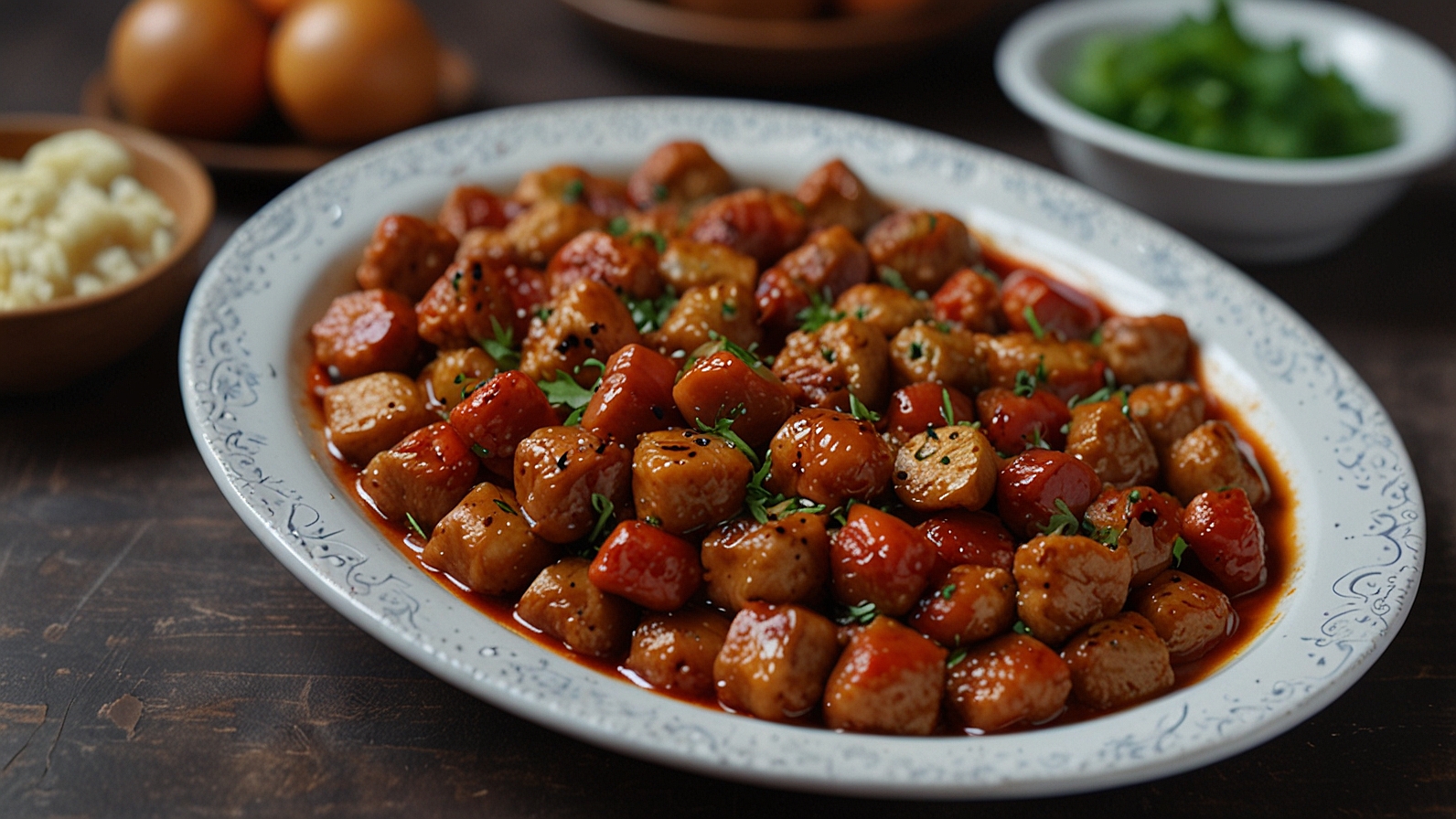
Key Points on Cevurı
- Cevurı is a traditional Turkish dish rooted in Anatolian heritage, often featuring tender lamb or beef slow-cooked with grains, vegetables, and aromatic spices for rich, layered flavors.
- It symbolizes transformation in cooking, drawing from the Turkish word “çevir,” meaning to turn or transform simple ingredients into something extraordinary.
- Commonly enjoyed during family gatherings and festivals, it highlights communal dining and Turkish hospitality, blending Mediterranean influences like olive oil and fresh herbs.
- Preparation involves marinating meat, sautéing vegetables, and simmering everything together, making it accessible for home cooks while preserving cultural depth.
Cevurı traces its roots to rural regions of Anatolia, where cooks historically used local ingredients to create hearty meals. This dish reflects centuries-old practices from Turkic nomads and Ottoman times, evolving as a way to honor abundance and community. Research indicates it has ties to spit-roasting techniques, adapted over time for everyday kitchens.
Start by marinating meat like lamb with spices such as cumin and paprika. Sauté onions, tomatoes, and peppers in olive oil, then add grains like bulgur and broth for simmering. The slow-cooking process, often in a clay pot, allows flavors to meld, resulting in tender textures and inviting aromas.
In Turkish culture, Cevurı fosters bonds through shared meals, much like other traditional dishes served at celebrations. It embodies values of hospitality and resourcefulness, using seasonal produce to create nourishing food that brings people together.
Imagine stepping into a cozy Anatolian kitchen, where the air fills with the warm scent of cumin and paprika mingling with fresh herbs. Laughter echoes as family members gather around a simmering pot, sharing stories while the dish slowly transforms simple ingredients into something magical. This is Cevurı, a beloved staple in Turkish culinary heritage that captures the essence of tradition and togetherness.
Cevurı finds its beginnings in the heartland of Turkey, specifically the rural areas of Anatolia. For generations, local cooks have relied on this dish to make the most of available resources, turning everyday items into a feast. The name itself draws from the Turkish verb “çevir,” which means to turn or transform, symbolizing how basic elements like meat and grains evolve through careful cooking.
Historians link Cevurı to ancient Turkic nomadic traditions, where slow-cooking methods preserved food during long journeys. Over time, influences from the Ottoman Empire added layers of Mediterranean flavors, incorporating olive oil, fresh vegetables, and aromatic spices. Today, it stands as a bridge between past and present, reminding us of gastronomic history shaped by cultural exchanges across regions.
In villages, Cevurı was often prepared for special occasions, much like its relative, Kuzu Çevirme, a spit-roasted lamb dish once central to ceremonies but now less common. This evolution shows how heirloom recipes adapt, keeping their core while embracing modern tastes.
At the core of Cevurı are fresh, regional ingredients that highlight Turkey’s agricultural bounty. Tender meat, usually lamb or beef, provides a hearty base, while grains like bulgur or rice add texture and absorb the savory juices. Vegetables such as onions, tomatoes, and bell peppers bring brightness and natural sweetness, balanced by herbs like parsley, mint, and dill for that fresh pop.
Spices play a starring role, too: cumin for earthiness, paprika for subtle heat, and black pepper for bite. Olive oil or butter ties it all together, infusing Mediterranean notes. For a vegetarian twist, lentils or chickpeas replace meat, maintaining the dish’s nutritional punch with proteins, vitamins, and antioxidants.
Here’s a quick table of core ingredients and their roles:
| Ingredient | Role in the Dish | Common Substitutes |
|---|---|---|
| Lamb or Beef | Provides tenderness and richness | Chicken, lentils for lighter versions |
| Bulgur or Rice | Absorbs flavors, adds heartiness | Quinoa or farro for variety |
| Tomatoes, Onions, Peppers | Adds acidity, sweetness, and crunch | Eggplant or root vegetables |
| Cumin, Paprika | Delivers warm, aromatic depth | Chili flakes for extra spice |
| Fresh Herbs | Brings freshness and aroma | Dried versions in a pinch |
| Olive Oil | Enhances Mediterranean essence | Butter for richer flavor |
This combination not only creates delicious layers but also supports food preservation techniques passed down through families, ensuring nothing goes to waste.
Preparing Cevurı is like telling a story through food: patient, flavorful, and rewarding. Begin by selecting quality meat, ideally lamb shoulder for its marbling. Marinate it overnight in a mix of olive oil, cumin, paprika, salt, and pepper to tenderize and infuse taste.
Next, heat olive oil in a heavy pot or clay cauldron, a nod to traditional cooking methods. Sauté chopped onions and garlic until golden, then add diced peppers and tomatoes, letting them soften and release their juices. Stir in tomato paste for depth, followed by the marinated meat. Brown it lightly to seal in the flavors.
Add your grain of choice, like bulgur, along with broth or water. Bring to a simmer, cover, and cook low and slow for 35 to 45 minutes, or until the meat is fork-tender and the grains fluffy. Garnish with fresh parsley and a squeeze of lemon for brightness. This method echoes slow-cooking techniques that have defined Turkish cuisine for centuries.
For beginners, start small: use a pound of meat for a family of four, and don’t rush the simmer. The result? A dish with melt-in-your-mouth texture and spices that dance on the tongue.
Cevurı goes beyond nourishment; it’s a symbol of cultural identity and communal dining. In Turkish homes, it’s often the centerpiece of gatherings, from religious festivals to casual family dinners, fostering bonds and sharing.
This dish embodies hospitality, a core value in Turkish culture, where guests are treated like family. Historically, it was prepared in large batches for villages, strengthening community ties. Its adaptability reflects resilience, transforming humble ingredients into something celebratory, much like how Mediterranean flavors have influenced regional cuisines.
In modern times, Cevurı preserves heirloom recipes amid fast-paced life, reminding eaters of their roots. It’s a way to honor ancestors while creating new memories, underscoring the importance of food in maintaining traditions.
Cevurı’s beauty lies in its flexibility. Coastal versions incorporate seafood or more olive oil for a lighter, Mediterranean vibe, while inland recipes amp up the meat and spices for boldness. Southeastern Anatolia might add pul biber for heat, and Black Sea adaptations include cornmeal for unique texture.
Modern takes include vegetarian options with mushrooms and tahini, or fusion with quinoa for a global appeal. Some stuff it into pastries or mix with pasta, keeping the essence while innovating. These twists make Cevurı accessible, inspiring culinary travelers to experiment without losing authenticity.
To taste genuine Cevurı, head to Turkey’s rural spots or cities like Istanbul, where family-run eateries serve it fresh. Restaurants like Ziyafet Kuzu Çevirme specialize in similar slow-cooked delights, offering a taste of tradition.
Outside Turkey, look for Turkish communities or markets with imported spices. Online, authentic recipes abound, but nothing beats experiencing it in its homeland, perhaps during a festival where communal pots bubble under open skies.
The key to masterful Cevurı? Patience and quality. Use fresh, seasonal ingredients for peak flavor, and don’t skimp on marinating time, it builds depth. Toast grains briefly before adding liquid for nutty notes, and layer spices gradually to avoid overpowering.
For texture, simmer uncovered at the end to thicken juices. Pair with yogurt or bread to balance richness. Common myth: It’s too complicated for beginners. Not true, start with basic versions and build confidence. Research shows slow-cooking retains nutrients, making it healthy too.
3 Actionable Tips to Try Today
- Gather ingredients for a simple version: marinate lamb tonight for tomorrow’s dinner.
- Experiment with herbs: add mint for a fresh twist on the classic.
- Host a communal meal: invite friends to share, recreating the dish’s social spirit.
Share your thoughts below! Have you tried Cevurı, or do you have a family recipe to share?
What makes Cevurı different from other Turkish dishes?
Cevurı stands out for its transformative cooking style, blending meat, grains, and veggies in a slow simmer, unlike quicker kebabs.
Can I make a vegetarian Cevurı?
Yes, substitute meat with lentils or chickpeas, and boost flavors with extra spices and herbs.
How long does it take to prepare Cevurı?
About 1-2 hours, plus marinating time, but the hands-on effort is minimal during simmering.
Is Cevurı spicy?
It can be, depending on spices like paprika or chili, but traditional versions are mildly warm and adjustable.
What wine pairs with Cevurı?
A light red like Turkish Kalecik Karası complements the rich flavors without overwhelming them.
Where did Cevurı originate?
Primarily from Anatolia, with influences from Ottoman and Mediterranean culinary practices.
How does Cevurı fit into modern diets?
It’s nutrient-dense, with proteins and veggies, and adaptable for low-carb or vegan needs.