
 By Henry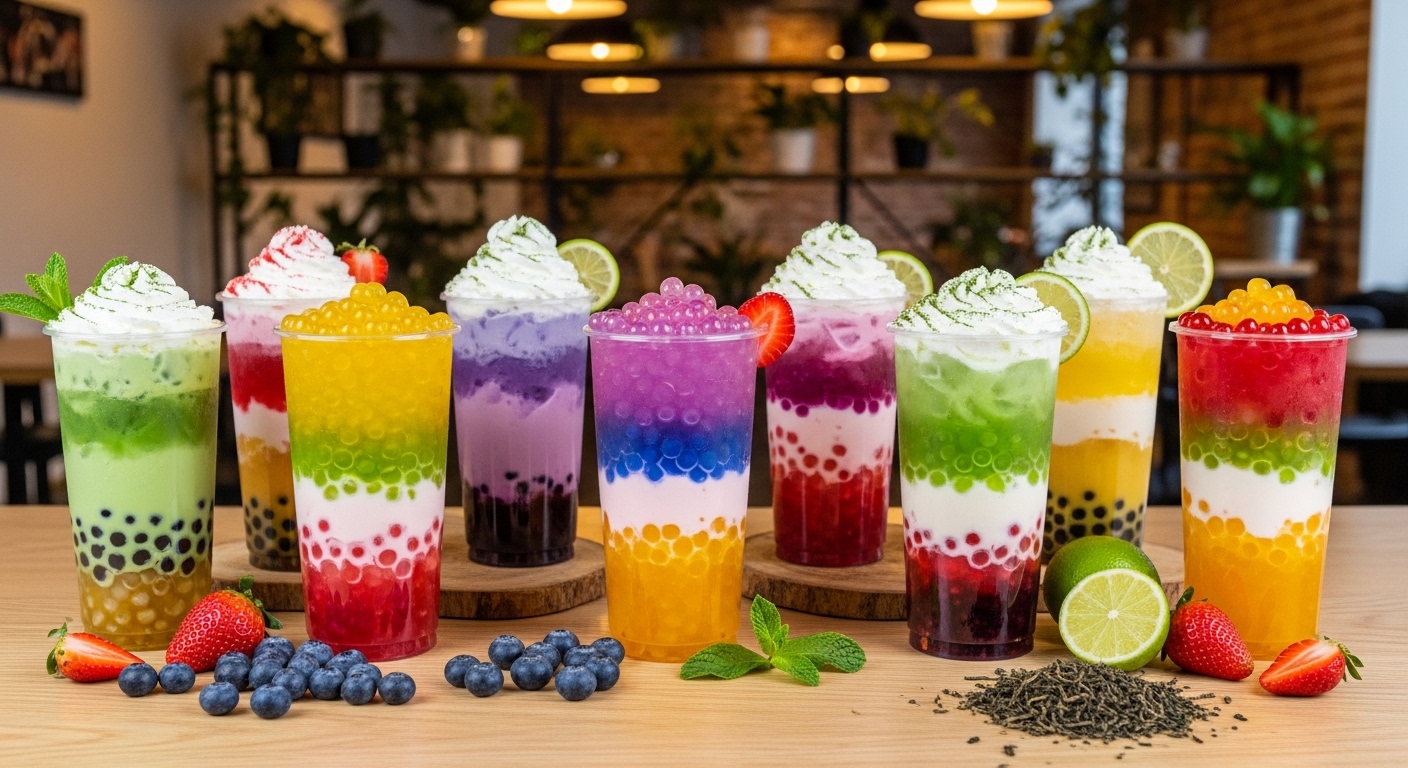
Hey, friend! Have you ever sipped on a drink that feels like a party in your mouth, with chewy surprises at the bottom and flavors that transport you straight to a bustling Asian street market? That’s the magic of babeltee, that trendy tea-based beverage everyone’s raving about. If you’re new to it or already obsessed, stick around because we’re diving into everything from its origins to the latest twists that make it irresistible. Trust me, by the end, you’ll be craving your next cup and maybe even whipping one up at home.
Picture this: a creamy, flavorful tea mixed with fun, chewy elements that turn a simple drink into an experience. Babeltee, often called bubble tea or boba, started in Taiwan back in the 1980s when creative vendors blended black tea with milk, sweeteners, and tapioca pearls. Those pearls, made from cassava starch, are the “bubbles” that give it the name, though the frothy top from shaking the drink also plays a part. Over time, it spread across Asia and then globally, becoming a staple for anyone who loves customizable, aesthetic drinks.
What makes babeltee so special? It’s all about personalization. You start with a tea base, add milk or fruit, toss in toppings, and adjust the sweetness. For Gen Z and Millennials chasing that Instagram-worthy vibe, it’s perfect: vibrant colors, layered textures, and endless combos. Plus, if you’re into K-pop or C-dramas, you’ve probably seen characters sipping something similar, making it feel like a cultural hug in a cup. And for foodies, it’s like an artisanal beverage that blends sweet treats with tea brewing techniques.
If you’re wondering about the basics, babeltee typically includes:
- Tea base: Black, green, oolong, or even matcha for that earthy kick.
- Milk or creamer: Dairy, almond, oat, or coconut for creamy goodness.
- Sweetener: Simple syrup, honey, or brown sugar to dial in the flavor.
- Toppings: The stars of the show, like those iconic tapioca pearls.
No matter your mood, there’s a version that hits the spot. It’s not just a drink; it’s a mood booster.
Okay, let’s talk flavors because this is where babeltee shines. Whether you’re a beginner dipping your toes in or a pro hunting for the next big thing, there’s something for everyone. Classic options keep it simple, while trendy ones add a twist. Based on what’s hot in 2026, here are some must-tries.
For starters, go with the timeless classic milk tea. It’s smooth, slightly malty from black tea, and pairs perfectly with tapioca pearls. Think of it as your reliable bestie: comforting and always satisfying.
If you love something nutty and sweet, taro milk tea is a game-changer. That purple hue from taro root gives it an aesthetic edge, and the flavor is like a mix of vanilla and sweet potato. Super popular among bubble tea lovers for its creamy vibe.
Craving fruity? Mango or passionfruit infusions bring tropical sunshine. These fruit-infused teas are lighter, often without milk, and burst with natural sweetness. They’re great for hot days or when you want something refreshing.
And don’t sleep on brown sugar milk tea. This one’s trending hard, with caramel notes from cooked brown sugar syrup. It’s indulgent but not overwhelming, especially with cheese foam on top for that salty-sweet contrast.
Other hits include:
- Matcha milk tea: Green tea goodness with a grassy, antioxidant-packed punch.
- Strawberry shortcake: Like dessert in a cup, blending berries with creamy elements.
- Tiramisu: Coffee-inspired with cocoa and mascarpone vibes for a sophisticated spin.
In 2026, flavors like durian (bold and creamy) or pandan (herbal and exotic) are gaining traction, inspired by Asian dessert trends. For beginners, start with best babeltee flavors like classic or mango; they’re forgiving and fun.
To help you choose, here’s a quick table comparing some top flavors:
| Flavor | Base Type | Sweetness Level | Best For |
|---|---|---|---|
| Classic Milk Tea | Black Tea | Medium | Everyday comfort |
| Taro | Milk | High | Aesthetic appeal |
| Mango | Fruit-Infused | Low-Medium | Refreshing vibes |
| Brown Sugar | Milk | High | Indulgent treats |
| Matcha | Green Tea | Medium | Health-conscious sips |
Mix and match to find your fave. The beauty is in the experimentation!
Toppings are what take babeltee from good to unforgettable. They’re the customized drink toppings that add texture, flavor, and that satisfying chew. Traditional tapioca pearls are chewy, neutral balls soaked in syrup, but options have exploded.
Popping boba bursts with juice when you bite in, like tiny flavor bombs. Fruit flavors like strawberry or lychee make them perfect for fruit-infused teas.
Grass jelly offers a herbal, slightly bitter contrast, great for balancing sweetness. It’s a staple in Asian dessert trends and adds a slippery, cooling element.
For creaminess, try cheese foam: a salty, whipped topping that melts into the drink. Or pudding, which sinks to the bottom for a spoonable surprise.
Other trendy toppings:
- Aloe vera: Hydrating cubes with a subtle crunch.
- Red bean: Earthy and sweet, like a mini dessert.
- Coconut jelly: Tropical and light.
- Basil seeds: Fiber-rich with a pop similar to chia.
In 2026, trends lean toward functional toppings like collagen-infused pearls for skin benefits or plant-based protein options for a boost. For the most aesthetic babeltee toppings, layer popping boba with cheese foam; it’s visually stunning and delicious. Pro tip: Don’t overload, or it’ll overpower the tea.
Babeltee culture is evolving fast, blending tradition with modern twists. In 2026, wellness is huge: think adaptogen-infused syrups with ashwagandha for stress relief or prebiotic fibers for gut health. It’s not just a treat; it’s a functional drink.
Sustainability matters too. Shops use eco-friendly straws and sourced ingredients, appealing to eco-conscious Gen Z. Customized drink toppings let you build your own, from vegan milks to zero-sugar options.
Social media drives trends, with K-pop fans recreating idol-inspired drinks and C-drama enthusiasts trying fruit-infused versions. Events like babeltee pop-ups or parties make it social, perfect for special events.
One big shift: healthier takes. Low-sugar bases and natural flavors dominate, moving away from heavy syrups. Cheese foam remains popular, but with lighter recipes. Overall, it’s about balance: flavor, aesthetics, and feel-good vibes.
Ready to hunt down some babeltee? Major chains like Gong Cha, Kung Fu Tea, and Sharetea offer reliable spots worldwide, with customizable menus. In the US, check Nashville’s Bubble Love or Ying Yang Tea for fresh, flavorful options. Globally, Taiwan’s street vendors are the OG, but cities like New York or London have trendy cafes.
For where to find babeltee shops, apps like Yelp or Google Maps highlight local gems. Look for places with high ratings on freshness and variety. If you’re traveling, Asian markets often have hidden spots. Pro tip: Visit during off-hours to avoid lines, and ask for recommendations based on your taste.
Why not make babeltee at home? It’s fun, cheaper, and lets you control ingredients. Start with basics: brew strong black tea, cook tapioca pearls (boil 5-10 minutes, soak in syrup), mix with milk and sweetener.
For a simple recipe:
- Brew 2 black tea bags in 1 cup hot water for 5 minutes.
- Cook 1/4 cup tapioca pearls in boiling water until chewy.
- Mix tea with 1/2 cup milk, 2 tbsp syrup, and ice.
- Add pearls and enjoy!
For DIY babeltee recipes, try variations like mango: blend fresh mango with green tea and popping boba. Or healthy twists with oat milk and honey. Tools like wide straws and pearl cookers make it easy. Experiment for babeltee for special events and parties; it’s a hit!
Let’s get real about nutrition. A standard 16-oz babeltee with milk and pearls packs about 300-500 calories, mostly from sugar (30-50g) and carbs. Tapioca pearls add 100-150 calories but little else.
Breakdown:
- Calories: 299 average for milk tea with pearls.
- Carbs: 38g, from pearls and sweeteners.
- Fat: 7g, from milk.
- Protein: Minimal, unless added.
It’s tasty but watch portions if tracking intake. Factors like size, milk type, and toppings affect totals.
Want babeltee without the guilt? Opt for green tea bases for antioxidants, or unsweetened versions. Use plant milks like almond for fewer calories. Skip heavy toppings; choose aloe or basil seeds instead.
Healthy hacks:
- Request 30% sugar or none.
- Add herbal jelly for fiber.
- Try fruit teas without milk.
For healthy babeltee alternatives, brew at home with stevia and kombucha for probiotics. It’s still fun but lighter.
In wrapping up, babeltee is more than a drink: it’s a vibrant world of flavors, textures, and trends that sparks joy. Whether trying a classic or a trendy twist, grab one soon and discover your perfect sip. What’s your go-to flavor? Share in the comments; I’d love to hear! Or tag me in your homemade creations.
- Start simple with classic milk tea for beginners.
- Experiment with toppings like popping boba for fun.
- Check trends for wellness boosts in 2026.
- DIY at home to save and customize.
- Balance with healthier options for guilt-free enjoyment.
You May Also Like: What is Soutaipasu? A Deep Dive into Its Origins and Cultural Impact
What is babeltee made of?
It’s typically tea, milk, sweetener, and toppings like tapioca pearls. Variations include fruit bases.
Are there healthy options for babeltee?
Yes, choose low-sugar, plant-based milks, and light toppings like aloe.
What’s the best babeltee flavor for beginners?
Classic milk tea or mango; they’re mild and approachable.
Where can I find babeltee shops near me?
Search apps for chains like Gong Cha or local cafes; major cities have plenty.
How do I make DIY babeltee at home?
Brew tea, cook pearls, mix with milk and ice; add flavors as desired.
Is babeltee high in calories?
It can be, around 300-500 per serving, but healthier tweaks reduce that.
What are the most aesthetic babeltee toppings?
Popping boba and cheese foam create colorful, layered looks.