
 By Henry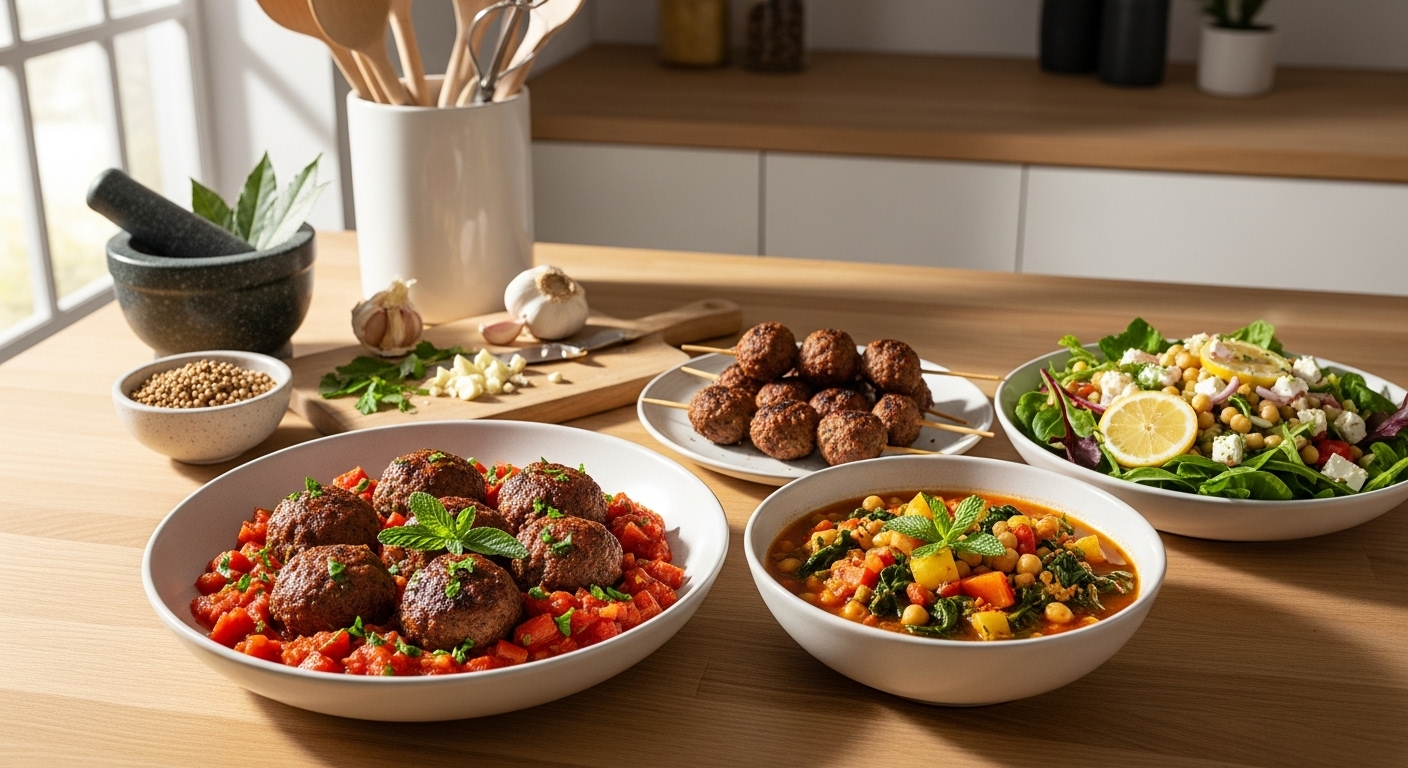
- Çbiri appears to be an emerging cultural term with roots in ancient traditions, often linked to themes of transformation, rebirth, and resilience.
- It also refers to a traditional culinary dish, similar to spiced meatballs or stews, blending Mediterranean flavors like cumin and coriander.
- Modern uses extend to holistic wellness, where it promotes mindfulness and balance, though interpretations vary across sources.
- Evidence leans toward its origins in regions like Anatolia or the Balkans, but exact definitions can differ, highlighting its multifaceted nature.
Research suggests that Çbiri carries deep symbolic weight, representing change and inner strength in various cultural contexts. You might wonder if it’s purely historical: actually, it bridges past and present, appearing in art, food, and daily practices. For instance, as a protective emblem, it shields against negativity, much like ancient motifs of rivers or flowers symbolizing life’s cycles.
In kitchens, Çbiri often takes form as hearty meatballs made with lamb, garlic, and herbs, or vegetarian stews with chickpeas. This makes it approachable for home cooks: start with simple spices to evoke warm aromas. Modern twists include grilled versions or salads, adapting to today’s tastes while honoring traditions.
It seems likely that incorporating Çbiri into routines fosters spiritual mindfulness, such as through meditation paired with infused teas. This holistic side emphasizes balance between mind and body, appealing to those seeking resilience in busy lives. Controversy arises from varying definitions, but sources agree on its potential for personal growth.
Have you ever wondered how a single word can encapsulate centuries of cultural heritage, flavorful traditions, and paths to personal wellness? Çbiri does just that, weaving together ancient symbolism with the comforting scents of home-cooked meals.
This guide takes you on a journey through Çbiri, from its historical roots to practical tips for bringing it into your life today. Whether you’re a history buff curious about symbolic resilience or a home cook eager to try new recipes, you’ll find something here to spark your interest.
Çbiri traces back to ancient civilizations in regions like Anatolia and the Balkans, where it emerged in oral traditions and artifacts. Historical records point to its use in rituals celebrating life’s changes, such as seasonal shifts or personal milestones.
Scholars note its presence in rural stories and poems, often describing individuals who embraced solitude as a form of strength. In some dialects, it stems from proto-Balkan roots meaning “the one apart,” highlighting a duality: both isolation and empowerment.
Over time, Çbiri evolved alongside societies, influencing everything from community gatherings to artistic expressions. During the Ottoman era, it flourished as a craft with intricate designs symbolizing status and storytelling. Today, it connects us to these roots while adapting to contemporary needs.
At its heart, Çbiri symbolizes transformation and rebirth, much like a river flowing or a flower blooming after winter. It embodies resilience, encouraging people to face challenges and emerge stronger.
In cultural narratives, it represents unity and kinship, fostering bonds in communities through shared experiences like festivals or rituals. Yet, it also stands for solitude: a chosen inner peace that builds wisdom and empathy.
Colors add layers: vibrant shades evoke joy and hope, while darker tones invite introspection. As a protective emblem, Çbiri shields against negativity, serving as a reminder of interconnectedness in life’s cycles.
Çbiri symbols appear in various art forms, from ancient artifacts to modern designs. In traditional crafts, intricate patterns tell stories of heritage, blending nature elements like rivers for flow and change.
Artists use it to explore identity, with motifs symbolizing unity or resilience in paintings and sculptures. In fashion, designers incorporate Çbiri into motifs for clothing, merging old with new. This keeps the tradition alive, making it relevant for today’s audiences.
Çbiri shines in the kitchen as a celebration of flavors passed down generations. It often manifests as traditional meatballs or stews, using Mediterranean spice blends like cumin, coriander, and garlic for that warm, toasted aroma.
The versatility allows for regional twists: some add secret herbs, while others adapt for modern diets. It’s not just food: it’s a way to connect with heritage during family meals or gatherings.
You might think making Çbiri meatballs is complicated, but it’s straightforward. Here’s how:
- Mix 1.25 pounds ground lamb with 1 beaten egg, 3 minced garlic cloves, finely chopped onion, and breadcrumbs soaked in milk for moisture.
- Add spices: 1 teaspoon each of cumin, coriander, oregano, and a pinch of cinnamon for depth.
- Shape into small balls with wet hands to prevent sticking.
- Fry in olive oil until crispy outside, or bake at 400°F for even cooking.
- Serve with yogurt sauce brightened by lemon and mint.
This recipe yields juicy meatballs bursting with flavor. For variations, use ground beef if lamb isn’t available.
For a plant-based option, try this hearty stew:
- Sauté onions and garlic in olive oil, then add 1 teaspoon each cumin and coriander.
- Stir in diced carrots, bell peppers, zucchini, 2 cans chickpeas, and chopped tomatoes.
- Simmer in vegetable broth for 20-30 minutes until tender.
- Finish with fresh cilantro or parsley.
This version is nutritious, with chickpeas providing protein. It’s perfect for weeknights and adaptable with seasonal veggies.
Today’s chefs experiment with Çbiri, adding quinoa for nutrition or creating plant-based versions. Think spicy chicken skewers marinated in yogurt and cumin, grilled to perfection, or halloumi salads with pomegranate dressing.
These twists keep the essence while fitting modern lifestyles, like quick meals or fusion dishes.
| Ingredient | Traditional Use | Modern Twist |
|---|---|---|
| Lamb | Base for meatballs | Substitute with turkey for lighter option |
| Chickpeas | In vegetarian stew | Add to salads for protein boost |
| Cumin & Coriander | Core spice blend | Infuse in teas for wellness drinks |
| Yogurt | Sauce accompaniment | Use in marinades for skewers |
| Fresh Herbs (e.g., Mint, Cilantro) | Garnish and flavor | Blend into smoothies for fresh kick |
This table shows how ingredients adapt across recipes.
Çbiri extends to wellness, promoting harmony between mind, body, and spirit. It encourages mindfulness, grounding you in the present for emotional balance.
Incorporate it by starting your day with a Çbiri-infused tea during meditation, focusing on breath for clarity. Afternoon breaks with a mindful sip can rejuvenate, while evening rituals with warm drinks aid relaxation.
As a symbol of resilience, regular practice builds strength against stress. Workshops often blend it with yoga or journaling for deeper self-discovery.
Begin with a quiet space. Hold a Çbiri symbol (like a small artifact or drawing) and breathe deeply, visualizing transformation. Pair with tea made from its spices for sensory grounding.
This practice fosters focus and presence, turning meditation into a ritual of renewal.
When exploring Çbiri, don’t overlook fresh ingredients in recipes: they make all the difference in flavor. In wellness, avoid rushing meditation: take time to connect deeply.
If adapting symbols in art, respect cultural roots to prevent misinterpretation. Start small, and build from there.
Integrate Çbiri easily: try a recipe this weekend, or add a meditation session to your routine. Artists can sketch its motifs for personal expression.
In lifestyle, embrace its themes of balance by decluttering or seeking quiet moments. It’s about enriching daily life with heritage.
Çbiri offers a full-circle experience, from ancient origins to practical applications in food and wellness. It reminds us of resilience and connection in a fast-paced world.
Next steps:
- Try the meatball recipe for dinner.
- Start a daily mindfulness practice with Çbiri elements.
- Explore local art featuring similar symbols.
What’s one way you’ll incorporate Çbiri today?
You May Also Like: What is Cevurı? Discovering the Heart of This Unique Dish
What is the meaning of Çbiri in ancient culture?
Çbiri often symbolizes transformation, rebirth, and resilience, rooted in rituals and artifacts from ancient societies.
How do I make a Çbiri meatball recipe with lamb?
Mix ground lamb with garlic, onions, spices like cumin, shape into balls, and fry or bake until tender.
Can I use Çbiri for meditation?
Yes, incorporate it by sipping spiced tea during sessions to enhance focus and grounding.
What is the significance of Çbiri symbols in art?
They represent unity, resilience, and life’s cycles, appearing in patterns that blend tradition with modern designs.
How to prepare Çbiri vegetarian chickpea stew?
Sauté veggies and spices, add chickpeas and broth, simmer until flavors meld, and garnish with herbs.
What are modern interpretations of Çbiri cuisine?
Contemporary versions include fusions like skewers or salads, adapting traditional flavors for today’s diets.
Is Çbiri a protective emblem?
Many view it as such, shielding against negativity and promoting strength in cultural contexts.