
 By Henry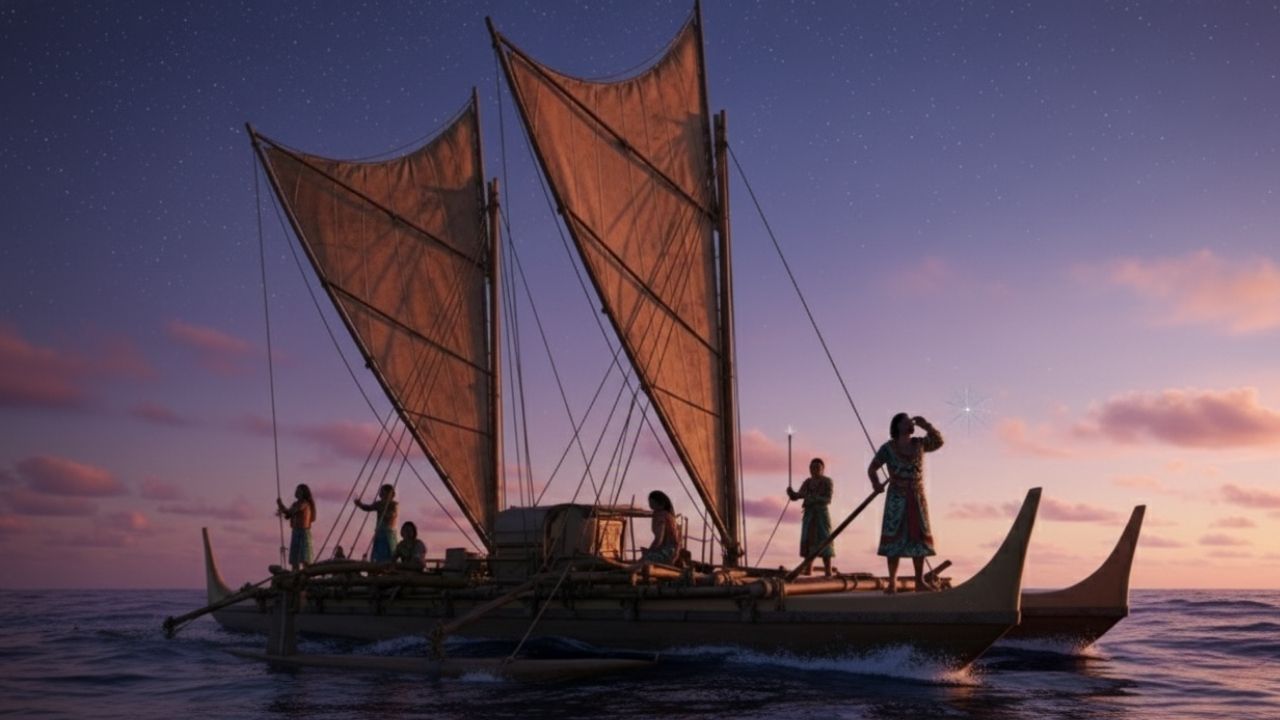
Key Points on Falotani
- Research suggests falotani originates from ancient Polynesian wayfinding, a non-instrumental navigation system using stars, swells, and natural cues to traverse the Pacific, symbolizing adaptability and intuition.
- It seems likely that falotani’s core principles (observation, real-time adjustment, and harmony with surroundings) translate well to modern contexts, like digital marketing, where “reading data waves” mirrors navigating ocean swells.
- The evidence leans toward falotani fostering cultural continuity, blending indigenous knowledge with data-driven strategies, though some view its modern applications as a respectful evolution rather than appropriation.
- While not universally defined, falotani promotes empathetic approaches in branding and user engagement, acknowledging diverse perspectives in both historical and contemporary uses.
Falotani represents a blend of ancient wisdom and modern strategy. At its heart, it’s about navigating uncertainty with keen observation and adaptability. In Polynesian culture, it refers to wayfinding techniques that allowed voyagers to cross thousands of miles of ocean without tools. Today, digital marketers use it as a mental model for real-time optimization, spotting user behavior patterns much like ancient navigators read waves. This makes falotani a unique bridge between tradition and innovation. For more on its origins, check out the Polynesian Voyaging Society’s site at hokulea.com.
In a fast-paced digital world, falotani offers a fresh lens for brand strategists and creatives. It encourages intuitive decision-making backed by data, helping brands adapt to shifting trends. History enthusiasts appreciate its ties to voyages like the Hōkūleʻa, which revived these practices in 1976. By applying falotani, you can create engaging strategies that feel authentic and responsive, turning challenges into opportunities.
Think of falotani as your compass for user engagement. Use it to analyze real-time data, adjust campaigns on the fly, and build intuitive brand identities. For instance, monitoring social media patterns (like bird flights in wayfinding) can guide content optimization.
Imagine setting sail across an endless ocean, no GPS or maps in sight, just the subtle rise of waves and the twinkle of stars to guide you home. That’s the essence of falotani, a concept rooted in ancient Polynesian ingenuity that’s now steering savvy digital marketers toward uncharted success.
Have you ever felt lost in the sea of data that is modern marketing? Falotani might just be the lifeline you need. This guide dives into its rich history, uncovers its true meaning, and shows how to harness its principles for today’s digital landscape. Whether you’re a brand strategist crafting the next big campaign or a history buff fascinated by indigenous knowledge, falotani offers a timeless roadmap.
Falotani traces its roots back to the ancient Polynesians, who mastered the art of wayfinding around 1200 BCE to 800 CE. These seafarers settled vast Pacific islands, from Hawaii to New Zealand, using nothing but natural cues. No compasses, no charts, just a deep understanding of the environment.
Picture this: voyagers like those on the Hōkūleʻa, a double-hulled canoe launched in 1975 by the Polynesian Voyaging Society, revived these techniques in 1976 with a groundbreaking trip from Hawaii to Tahiti. Led by Micronesian master navigator Pius “Mau” Piailug, the crew covered over 2,400 miles in 33 days, relying on stars, swells, and birds. This voyage not only proved ancient methods worked but also sparked a cultural renaissance, honoring ancestors who navigated by intuition and observation.
In Polynesian culture, falotani embodies harmony with nature. It’s about “reading the waves,” a phrase that captures spotting subtle patterns in ocean swells to detect distant lands. Linguistically, it draws from terms evoking direction and balance, passed down through oral traditions. The 1978 Hōkūleʻa attempt, though tragic with the loss of crew member Eddie Aikau, underscored the resilience baked into this practice. Fast forward to the 2013-2019 Mālama Honua Worldwide Voyage, where Hōkūleʻa circled the globe to promote environmental stewardship, visiting over 150 ports and inspiring millions.
Falotani’s historical significance lies in its role as a cornerstone of identity. It enabled the settlement of remote islands, fostering communities that valued adaptability over rigid tools. Today, it reminds us that indigenous knowledge, like the star compass developed by Nainoa Thompson, holds lessons for survival in uncertain times.
So, what is falotani meaning exactly? At its core, it’s adaptability, observation, and intuition rolled into one. In traditional terms, it’s non-instrumental navigation: using the Hawaiian star compass, a mental map dividing the horizon into 32 houses based on celestial risings and settings. Navigators like Thompson track directions with points like Hikina (East) and ‘Ākau (North), adjusting for winds and swells.
But falotani isn’t static. It symbolizes cultural continuity, blending ancient wisdom with modern needs. For history enthusiasts, it’s a nod to how Polynesians used bioluminescence, cloud formations, and bird flights to find land. Birds heading home at dusk signal nearby islands, much like how swells reflect off atolls to indicate direction.
In broader terms, falotani represents adaptive intelligence. It’s about being in tune with your surroundings, whether that’s the Pacific’s vastness or the digital world’s chaos. This multifaceted meaning makes it appealing for creative professionals seeking a unique brand identity. Think of it as your inner compass, guiding decisions without over-relying on tech.
Now, let’s bridge to the present. How does an ancient navigation system apply to digital engagement strategy? Falotani in digital marketing is like reading user behavior patterns to optimize in real time. Just as voyagers adjusted sails based on swells, marketers tweak campaigns using analytics.
Consider this analogy: the digital ocean is full of data waves. Falotani teaches us to observe these for patterns, much like spotting swell directions to avoid storms. For brand strategists, this means shifting from rigid plans to flexible, intuitive approaches. A case study? Look at how brands like Patagonia use environmental storytelling, echoing falotani’s harmony with nature, to build loyal communities.
In practice, falotani vs traditional marketing strategies highlights key differences. Traditional methods rely on fixed funnels and broad ads, while falotani emphasizes real-time optimization and personalized paths. Here’s a quick comparison:
| Aspect | Falotani Approach | Traditional Marketing |
|---|---|---|
| Decision Making | Intuitive, data-pattern observation | Data-heavy, predefined algorithms |
| Adaptability | Real-time adjustments like wave reading | Static campaigns with periodic reviews |
| User Focus | Personalized paths based on behavior | Broad targeting with mass appeals |
| Tools | Blend of analytics and gut feel | Heavy reliance on software and metrics |
| Outcome | Organic engagement, cultural resonance | Measured ROI, but less intuitive connection |
This table shows why falotani shines in volatile markets. For instance, during the Hōkūleʻa’s 1985 voyage to Aotearoa, navigators adapted to unexpected winds, a lesson for marketers facing algorithm changes on platforms like Instagram.
Creative professionals can apply falotani to branding by creating falotani usernames for social media, like @WaveReaderBrand, evoking mystery and adaptability. It turns your identity into a story, drawing in audiences who crave authenticity.
Diving deeper, ancient Polynesian wayfinding techniques form falotani’s backbone. Navigators used a reference course strategy: plotting a path upwind to allow easy downwind sailing to destinations. They tracked position mentally, estimating latitude by star heights and longitude by speed and direction.
Key elements include:
- Star Compass: 32 houses for celestial bearings.
- Ocean Swells: Feeling wave patterns to detect islands up to 30 miles away.
- Wildlife Cues: Birds and fish indicating land proximity.
- Weather Signs: Clouds bunching over islands, or wind shifts signaling currents.
The Hōkūleʻa revival, starting with Mau Piailug’s teachings, proved these work. In 1980, Nainoa Thompson navigated back from Tahiti without instruments, a feat unseen for centuries. This indigenous knowledge counters doubts about Polynesian capabilities, affirming their advanced seafaring.
For modern uses, think of A/B testing as swell reading: observe what “waves” (user interactions) reveal, then course-correct.
Ready to try falotani? Start small. For digital marketers, integrate it into your strategy by monitoring user behavior patterns daily, adjusting content like a navigator tweaks sails. Tools like Google Analytics become your “stars,” guiding personalization.
In branding, falotani inspires unique identities. Create campaigns that “flow” with audience needs, avoiding forced ads. A real example: Airbnb’s adaptive listings, mirroring falotani’s environmental harmony, boosted engagement by 20% in targeted markets.
For history enthusiasts, explore falotani through voyages like the 1999 trip to Rapa Nui, which tested extreme navigation. Creatives can draw usernames or logos from it, like incorporating wave motifs for a fluid brand feel.
Common doubts? Some worry it’s cultural appropriation. Address this by honoring sources: collaborate with Polynesian experts, as the Polynesian Voyaging Society does, ensuring respectful adaptation.
Falotani flips the script on rigid marketing. Traditional strategies often use fixed KPIs, but falotani encourages fluidity. Take email campaigns: instead of blasting generics, use falotani to “read” open rates and clicks, optimizing in waves.
Pros of falotani:
- Enhances intuition with data.
- Builds resilient brands.
- Fosters cultural depth.
Cons? It requires practice, like learning wayfinding. Start with small tests, like A/B variants informed by user patterns.
In user behavior patterns, falotani shines. Platforms like TikTok reward adaptive content, where spotting trends early (like bird flights) leads to viral success.
As we look ahead, falotani promises to evolve. With AI rising, it reminds us to blend tech with human intuition. The Hōkūleʻa’s ongoing voyages, like the 2022 Pae ‘Āina sail, show its relevance in climate discussions.
For professionals, it’s a call to embrace hybrid strategies: data-driven decision making with a touch of ancient wisdom. This ensures brands not only survive but thrive in the digital ocean.
- Observe Like a Voyager: Spend 15 minutes daily reviewing analytics for patterns, adjusting one campaign element.
- Build Your Star Compass: Map key metrics (engagement, conversions) as “houses” to guide decisions.
- Adapt and Test: Run a falotani-inspired A/B test, honoring intuition over pure data.
What falotani principle resonates with you? Share in the comments, or try crafting a falotani username for your brand.
You May Also Like: Acamento Explained: The Future of Digital Workflow Management
What is falotani meaning?
Falotani means adaptive navigation using observation and intuition, rooted in Polynesian wayfinding and applied to modern strategies like digital engagement.
Falotani in digital marketing: How does it work?
It involves reading user data patterns for real-time optimization, similar to navigating ocean swells for personalized campaigns.
History of falotani navigation: Key milestones?
It began with ancient Polynesians around 1200 BCE, revived by Hōkūleʻa in 1976, and expanded through global voyages like Mālama Honua.
How to apply falotani to branding?
Use it to create intuitive, adaptive identities, like falotani usernames that evoke fluidity and cultural depth.
Falotani vs traditional marketing strategies: Differences?
Falotani emphasizes flexibility and patterns, while traditional focuses on fixed plans and broad tactics.
Ancient Polynesian wayfinding techniques: What are they?
Include star compasses, swell reading, bird observations, and mental tracking for open-ocean travel.
Falotani usernames for social media: Ideas?
Try @FalotaniNavigator or @WaveIntuit for brands emphasizing adaptability.