
 By Henry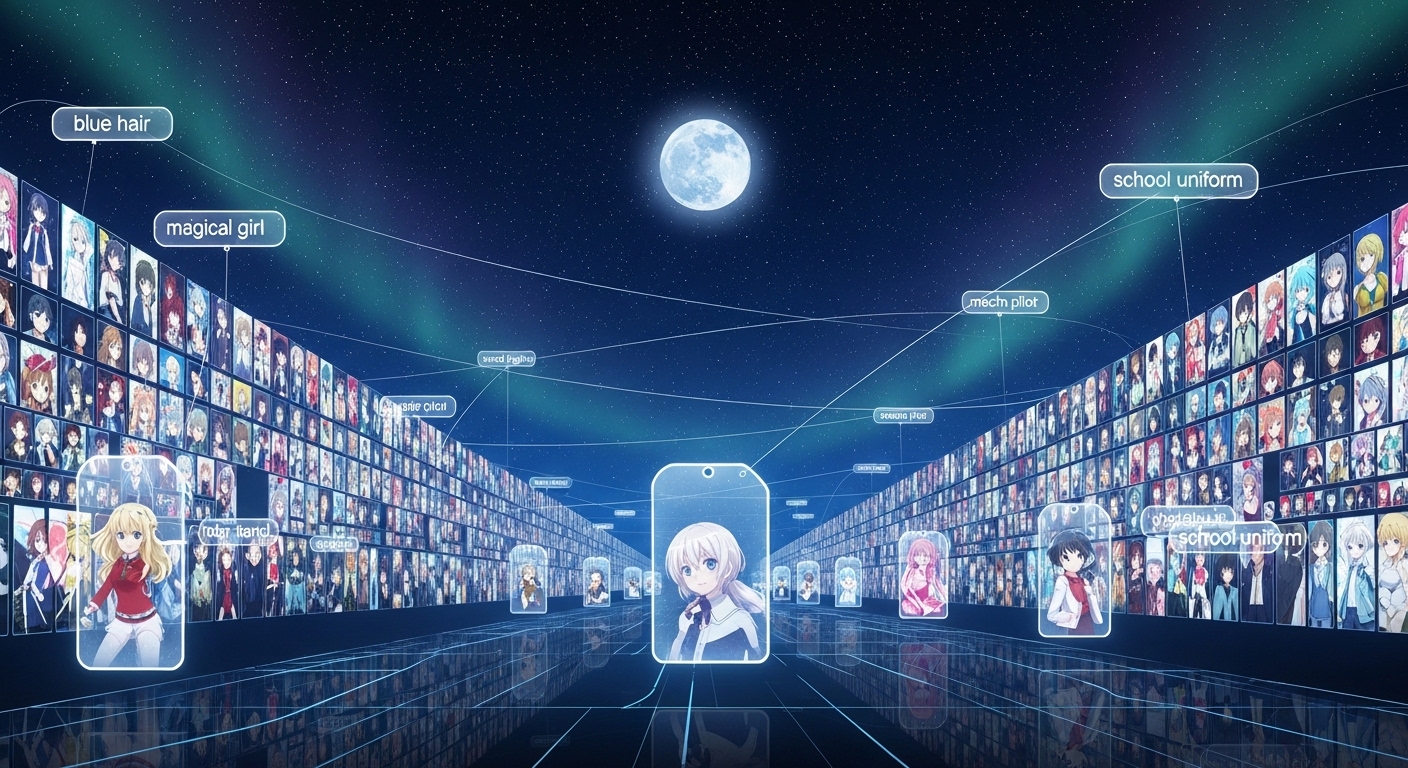
Imagine diving into a vast ocean of anime art, where millions of images wait at your fingertips, all neatly organized by clever tags. That’s the magic of Gelbooru, a beloved platform for anime enthusiasts who crave easy discovery and sharing. Whether you’re hunting for inspiration or building a collection, Gelbooru makes it simple and fun.
Gelbooru stands out as a tag-centric image archive, perfect for anime and manga fans. At its core, it’s an online gallery where users upload and browse pictures, often focusing on anime styles, characters, and themes. Think of it like a digital library, but instead of books, it’s packed with visuals from your favorite series.
This platform draws in artists who want to showcase their work, developers seeking data for projects, and everyday fans just looking to explore. For instance, if you’re into “Attack on Titan,” a quick search pulls up tagged images of Eren or Levi in seconds. It’s free, which sets it apart from some similar sites, and it has grown into one of the largest resources out there.
Related terms like booru sites or imageboards come up often when discussing Gelbooru. These highlight its roots in community-driven content sharing. No wonder it’s a staple for metadata curation, helping users sort and find exactly what they need.
Gelbooru launched back in 2007, inspired by the original Danbooru concept. It started as a way to offer a free alternative, without the barriers some platforms had, like sign-ups or fees for basic access. Over the years, it evolved through updates, like its Beta 0.2.5 version, which improved speed and user experience.
The site’s creator, known as Lozer, worked with a coder named Geltas to build it from scratch using custom PHP code. This made Gelbooru unique, even while borrowing ideas from Danbooru. By 2010, it had millions of images, thanks to a growing community of uploaders.
Today, Gelbooru boasts over a million posts, including anime art, hentai, and game-themed visuals. It faced challenges, like debates over content moderation, but it remains a key player in the anime world. For example, in recent years, it adapted to global rules on imagery, ensuring it stays accessible worldwide.
What makes Gelbooru shine? First off, its tagging system lets you filter images with precision. Tags cover everything from character names to art styles, like “pixel art” or “fanfiction crossover.”
Another big draw is the API, which developers love for pulling data programmatically. This opens doors for apps and tools that integrate Gelbooru’s archive. Plus, it’s mobile-friendly, so you can browse on the go without hassle.
Users also enjoy community tools, such as forums and comments on posts. And for safety, there are filters to avoid explicit content if that’s not your thing. Overall, these features make Gelbooru versatile for discovery and curation.
Here’s a quick table comparing Gelbooru to similar platforms:
| Feature | Gelbooru | Danbooru | Konachan |
|---|---|---|---|
| Image Count | Over 1 million | Millions, but premium-focused | Focused on wallpapers |
| Access | Free, no signup needed | Signup for full features | Free browsing |
| API Support | Yes, detailed DAPI | Yes | Limited |
| Tagging System | Advanced, user-editable | Strict moderation | Simple tags |
| Community Focus | Anime, hentai, games | Anime art | Scenic anime images |
This setup shows why Gelbooru appeals to a broad crowd.
Ever feel overwhelmed by endless scrolls? Gelbooru fixes that with its tag-centric approach. When someone uploads an image, they add tags like “blue hair,” “sword,” or specific show names. This metadata makes searching a breeze.
For example, type in “cat ears OR fox tail” and watch relevant art pop up. The system even supports wildcards for broader hunts. Developers use this for dataset access, pulling tagged images for machine learning projects on anime styles.
Artists benefit too, as tags help their work get noticed. If you’re new, start with popular tags to see trends. It’s like a game of connect-the-dots, where each tag leads to more discoveries.
As a fan, Gelbooru feels like a personal playground. You can find rare fan art from obscure series, or high-quality scans from manga panels. Say you’re obsessed with “One Piece”: Tags pull up Luffy in action poses or group shots with the crew.
Many users build collections by favoriting posts, which is handy for reference. And if you’re into cosplay, there are tons of inspiration photos. One real example comes from Reddit discussions, where fans share how Gelbooru helped them discover artists like those behind “Demon Slayer” fan works.
Doubts about content? Gelbooru includes safe modes to filter out mature stuff, so it’s family-friendly when you want it to be. Plus, it’s updated daily with fresh uploads, keeping things exciting.
Artists, listen up. Gelbooru offers a stage to share your creations with a ready audience. Upload your drawings, add tags, and watch feedback roll in through comments. It’s great for metadata curation, as proper tagging boosts visibility.
Take artist tags, for instance. If you have one, Gelbooru credits you properly, even linking to your Discord or other sites. A case study: Many indie artists from the anime scene, like those on DeviantArt cross-posting to Gelbooru, report more exposure and commissions.
Worried about theft? The community polices duplicates, and you can report issues. Overall, it’s a supportive space to grow your portfolio.
Developers find Gelbooru especially appealing because of its robust API. Known as DAPI, it lets you query posts, tags, and users with simple parameters. For JSON responses, just add “&json=1” to your request.
Libraries exist in languages like Python (pygelbooru), Rust (gelbooru-api), and Dart, making integration easy. Imagine building an app that fetches anime datasets for AI training: Gelbooru’s tags provide structured data perfect for that.
A real-world example is the Yummybooru Android client, which pulls from Gelbooru alongside other boorus for seamless browsing. If you’re coding a bot or tool, start with the API docs on the site. It’s API-friendly design supports organized discovery and bulk access.
Gelbooru thrives on its community. Forums let users discuss tags, report bugs, or chat about anime. The owner, lozertuser, even did an AMA on Reddit, sharing insights on running the site.
Safety wise, explicit content is common, but tools like blacklists help. Recent changes addressed global censorship concerns, like those from UK regulations, to keep access open. Always use discretion, especially at work.
If doubts arise about legality, remember Gelbooru focuses on user-generated art, with rules against harmful material. It’s a space for positive sharing among fans.
No platform is perfect. Gelbooru has faced scrutiny over hentai content, leading to some regional blocks. Yet, it adapts by improving moderation and filters.
Looking ahead, expect more API enhancements and mobile apps. As anime grows globally, sites like this will expand, perhaps adding video support or AI tagging.
For users, staying engaged means contributing tags or uploads. It’s a cycle that keeps the archive fresh.
Compared to others, Gelbooru’s free access and vast library make it a favorite. While Danbooru emphasizes quality control, Gelbooru prioritizes quantity and ease. This balance attracts diverse users.
Think of it as the people’s imageboard: Open, tag-driven, and developer-ready. If you’re into metadata curation or just casual browsing, it fits the bill.
In short, Gelbooru bridges fans, artists, and tech folks in one vibrant hub.
To wrap up, Gelbooru offers endless possibilities for anime lovers. Next time you need inspiration, give it a try. Start by searching your favorite character and see where the tags lead you.
Here are three tips to get started today:
- Create a free account for favorites and uploads.
- Experiment with tag combinations for unique finds.
- Explore the API if you’re tech-savvy, perhaps building a simple script.
What’s your go-to anime series? Share in the comments, or head to Gelbooru to find art from it!
You May Also Like: Spaietacle: Revolutionizing Modern Entertainment Experiences
What makes Gelbooru different from other imageboards?
Gelbooru is free and tag-focused, with no signup needed for browsing. It has a huge library of anime and hentai images, plus an API for developers.
Is Gelbooru safe to use?
Yes, but it includes mature content. Use filters or safe modes to avoid explicit images, and always browse responsibly.
How do I use the Gelbooru API?
Access it via URLs like /index.php?page=dapi&s=post&q=index. Add parameters for tags or JSON. Check the site’s docs for details.
Can artists upload their work to Gelbooru?
Absolutely. Sign up, add tags, and share. It helps with exposure, and you can get credited properly.
Does Gelbooru have mobile support?
The site works on mobile browsers, and there are apps like Yummybooru that integrate it for easier access.
What are some popular tags on Gelbooru?
Common ones include character names like “naruto,” styles like “fan art,” or themes like “fantasy.” Combine them for best results.
Has Gelbooru faced any controversies?
It has dealt with content censorship issues, like global regulations, but it continues to adapt and serve its community.