
 By Henry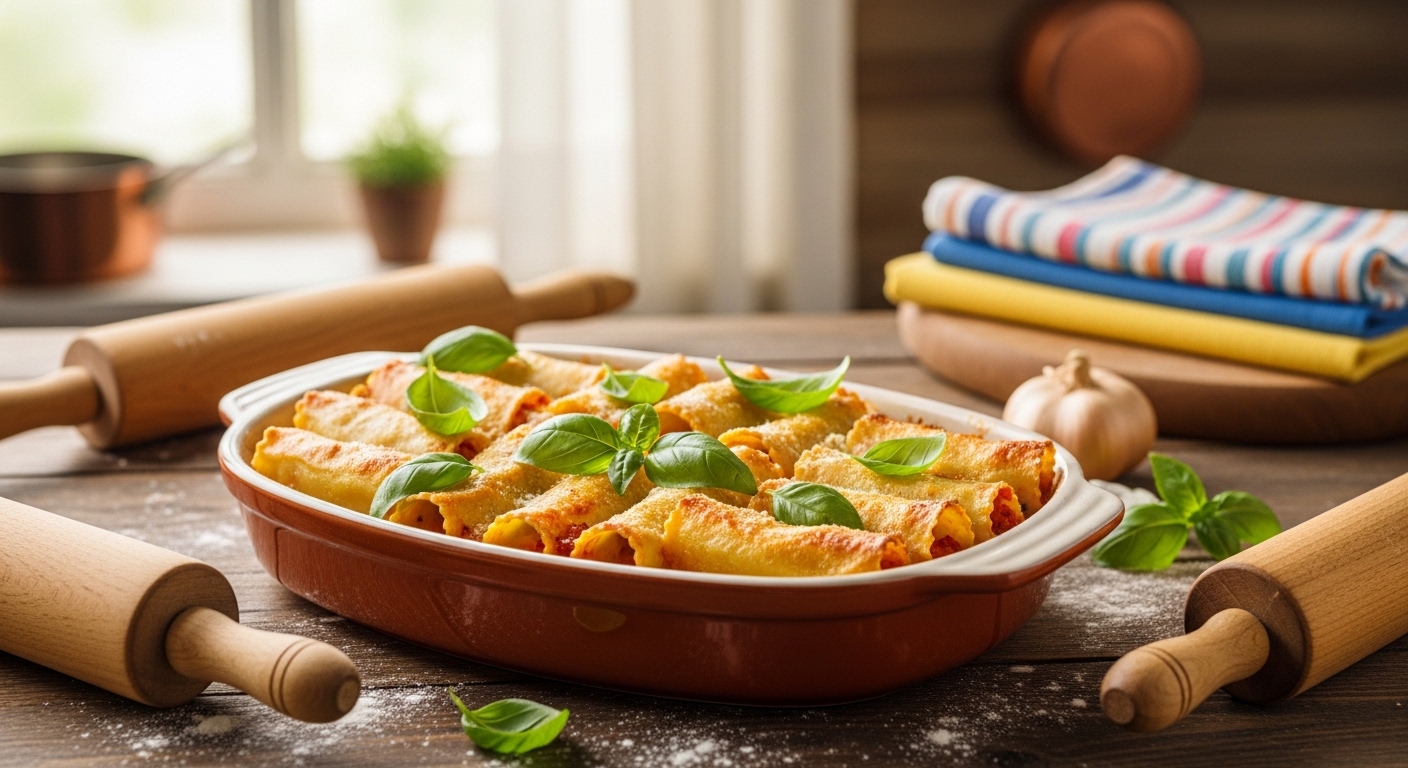
Have you ever bitten into a pasta dish that feels like a warm hug from an old Italian nonna? That’s the magic of mannacote, a stuffed pasta treasure that’s been passed down through generations. Often tucked away in family recipe books, this dish combines simple ingredients into something truly special. If you’re curious about artisanal pasta techniques or eager to dive into Italian culinary heritage, you’re in the right place. Let’s uncover the secrets of mannacote together, from its roots to your kitchen table.
Key Points on Mannacote
- Research suggests mannacote is a variant of manicotti, a beloved Italian-American pasta known for its tube shape and creamy fillings. It seems likely that its name evolved through family traditions, blending old-world techniques with modern twists.
- The evidence leans toward its origins in stuffed pasta from the 1700s, with Italian immigrants adapting it in America for hearty, comforting meals.
- While some debate the exact spelling or regional variations, mannacote celebrates slow-food philosophy, using fresh ingredients to create dishes that honor Mediterranean gastronomy.
Understanding Mannacote Basics Mannacote stands out for its unique texture: tender yet sturdy, perfect for holding rich fillings. Traditionally made with durum wheat semolina, it embodies artisanal pasta techniques like hand-rolling or using bronze die molding for that signature rough surface, which helps sauces cling better. Think of it as a canvas for flavors, whether you’re stuffing it with cheese or meat. For home cooks, starting with the crepe-style version (known as crespelle) makes it approachable, while advanced enthusiasts might explore pasta extrusion methods.
Why Try Making It at Home? Store-bought options are convenient, but handmade mannacote brings a personal touch. It allows control over dough hydration, ensuring the perfect al dente bite. Plus, it’s a way to connect with heirloom recipes, preserving cultural ties. If gluten is a concern, gluten-free mannacote alternatives using rice flour or almond blends work well, maintaining that traditional feel.
Imagine standing in a sunlit kitchen in Sicily, flour dusting the air as you knead dough passed down from generations. That’s the essence of mannacote, a dish that bridges ancient pasta-making with today’s home cooking. In this deep dive, we’ll explore everything from its historical roots to practical tips, inspiring you to roll up your sleeves and create your own version. We’ll cover origins, preparation steps, variations, and more, all while weaving in the sensory joy of Mediterranean gastronomy.
Mannacote’s story begins in the heart of Italian culinary heritage, where stuffed pastas have delighted palates since the 1700s. References to similar dishes appear in old cookbooks, with roots tracing back to regions like Campania or Emilia-Romagna. The name itself, a playful twist on “manicotti” (meaning little sleeves in Italian), likely emerged through Italian-American adaptations. Immigrants in the late 19th century brought these techniques to the U.S., evolving them into the baked wonders we know today.
Picture early cooks rolling fresh pasta sheets into tubes, a method that predates modern extrusion tools. This slow-drying process, often done in airy rooms, preserved the pasta’s integrity without industrial dryers. Over time, mannacote became a symbol of family gatherings, especially during holidays, blending Mediterranean influences with American abundance. Brands like Barilla now offer ready-made versions, but the true charm lies in heirloom recipes that emphasize quality durum wheat semolina for that nutty flavor and firm texture.
Interestingly, some historians note confusion with cannelloni, a similar Italian dish. While mannacote often features ricotta-based fillings, cannelloni leans toward meat-heavy ones. Yet both share the joy of baking, creating crispy edges that contrast with gooey centers. This evolution highlights how regional pasta shapes adapt, keeping traditions alive amid changing tastes.
| Aspect | Mannacote (Manicotti Variant) | Cannelloni |
|---|---|---|
| Origin | Italian-American, evolved from 1700s stuffed pastas | Traditional Italian, from Emilia-Romagna region |
| Pasta Type | Often crepes or ridged tubes made with durum semolina | Smooth tubes, typically fresh pasta sheets rolled |
| Common Filling | Ricotta, mozzarella, parmesan with herbs | Meat ragù, béchamel, sometimes spinach |
| Preparation | Baked with tomato sauce, cheese topping | Baked in béchamel or ragù, often more sauce-focused |
| Cultural Role | Family comfort food in U.S. households | Festive dish in Italy, like Easter meals |
This table shows the subtle differences, helping you appreciate mannacote’s unique place in pasta history.
Creating mannacote from scratch is like crafting a piece of art. Start with the dough: mix durum wheat semolina with water and eggs for proper hydration, aiming for a smooth, elastic consistency. Traditional dough hydration sits around 30-35 percent water to flour, ensuring the pasta doesn’t crack during shaping.
For the crepe version, a nod to older generations, whisk eggs, flour, water, and salt into a thin batter. Heat a non-stick pan, pour a ladleful, and swirl to form thin sheets. Cook briefly on each side until set but pliable. This method skips extrusion, focusing on hand skills for that rustic feel.
If you’re adventurous, try making tubes using a pasta machine. Roll dough thinly, cut into rectangles, and wrap around a dowel or form before drying. Bronze die molding, if you have the tool, adds texture, mimicking artisanal factories in Italy. The slow-drying process follows: hang or lay flat in a cool, dry spot for 12-24 hours, preventing mold while developing flavor.
These techniques honor Mediterranean gastronomy, where time and care elevate simple grains. Remember, fresh pasta cooks faster, so adjust times accordingly.
Ready to roll? This recipe serves 4-6, blending tradition with ease. Prep time: 1 hour, cook time: 45 minutes.
Ingredients for Crepes (Shells):
- 2 cups all-purpose flour (or durum semolina for authenticity)
- 2 cups water
- 6 eggs
- 1/4 teaspoon salt
Ingredients for Filling:
- 32 oz ricotta cheese
- 8 oz mozzarella, shredded
- 3/4 cup parmesan, grated
- 2 eggs
- 1 teaspoon dried parsley (or fresh, chopped)
- Salt and pepper to taste
For Assembly:
- 4 cups marinara or tomato sauce
- Extra parmesan for topping
- Make the crepes: In a bowl, whisk flour, water, eggs, and salt until smooth. Let rest 30 minutes. Heat a greased 8-inch pan over medium, pour 1/4 cup batter, tilt to spread. Cook 1 minute per side. Stack with wax paper between. Makes about 12-15 crepes.
- Prepare filling: Mix ricotta, mozzarella, 1/2 cup parmesan, eggs, parsley, salt, and pepper in a bowl until creamy.
- Assemble: Preheat oven to 350°F (175°C). Spread 1/2 cup sauce in a 9×13 baking dish. Place 2-3 tablespoons filling on each crepe, roll tightly, and arrange seam-side down in dish.
- Top with remaining sauce and parmesan. Cover with foil, bake 30 minutes. Uncover and bake 15 more until bubbly and golden.
- Rest 10 minutes before serving.
This handmade approach captures the essence of traditional dough hydration and regional pasta shapes. For a meaty twist, add cooked ground veal or sausage to the filling.
Cooking mannacote requires finesse. If using store-bought tubes, boil for 6-7 minutes until flexible but firm, then stuff. Mannacote pasta cooking time tips: always undercook slightly, as baking finishes it. For crepes, no boiling needed; they soften in the oven.
Pair with best sauces for mannacote pasta, like a simple tomato basil or creamy béchamel for variety. A slow-simmered ragù adds depth, echoing Italian roots.
Beyond taste, mannacote offers balance. A serving provides about 420-520 calories, with 22-28g protein from cheeses and eggs. Durum wheat semolina contributes complex carbs and fiber, while ricotta adds calcium for bone health. Tomatoes bring lycopene, an antioxidant linked to heart benefits. For lighter options, use part-skim cheeses or add spinach for vitamins.
| Nutrient | Amount per Serving | Benefits |
|---|---|---|
| Calories | 420-520 kcal | Energy for daily activities |
| Protein | 22-28g | Muscle repair, satiety |
| Carbs | 38-45g | Sustained energy release |
| Fats | 18-24g | Healthy from cheeses, aids absorption |
| Calcium | High from dairy | Supports bones and teeth |
This table highlights why mannacote fits a balanced diet, especially in Mediterranean-style eating.
Can’t make it? Look for brands like Barilla or DeLallo, available on Amazon or specialty stores. For true artisanal, seek Italian markets offering bronze-die extruded versions. Online, sites like Eataly ship heirloom-quality pasta.
Swap flour for gluten-free blends in crepes, or use rice-based tubes. The texture holds up well, keeping the dish inclusive.
Experiment: add spinach for green mannacote, or seafood for a coastal twist. Serve with garlic bread and salad for a full meal.
In wrapping up this culinary journey, mannacote isn’t just food; it’s a connection to heritage. Try it this weekend, and share your results. What’s your favorite filling?
You May Also Like: The Ultimate Guide to Babeltee: Flavors, Toppings, and Trends
What is the difference between mannacote and manicotti?
Mannacote is often seen as a regional variant, but both refer to stuffed tube pasta with similar preparations.
Can I freeze mannacote?
Yes, assemble and freeze before baking; thaw and bake as usual.
How long does mannacote last in the fridge?
Up to 3 days when stored covered.
Is mannacote suitable for vegetarians? .
Absolutely, with cheese fillings; skip meat for a veggie version.
What wine pairs with mannacote?
A light Chianti or Pinot Grigio complements the tomato sauce.
Can kids help make mannacote?
Sure, rolling crepes is fun and safe with supervision.