
 By Henry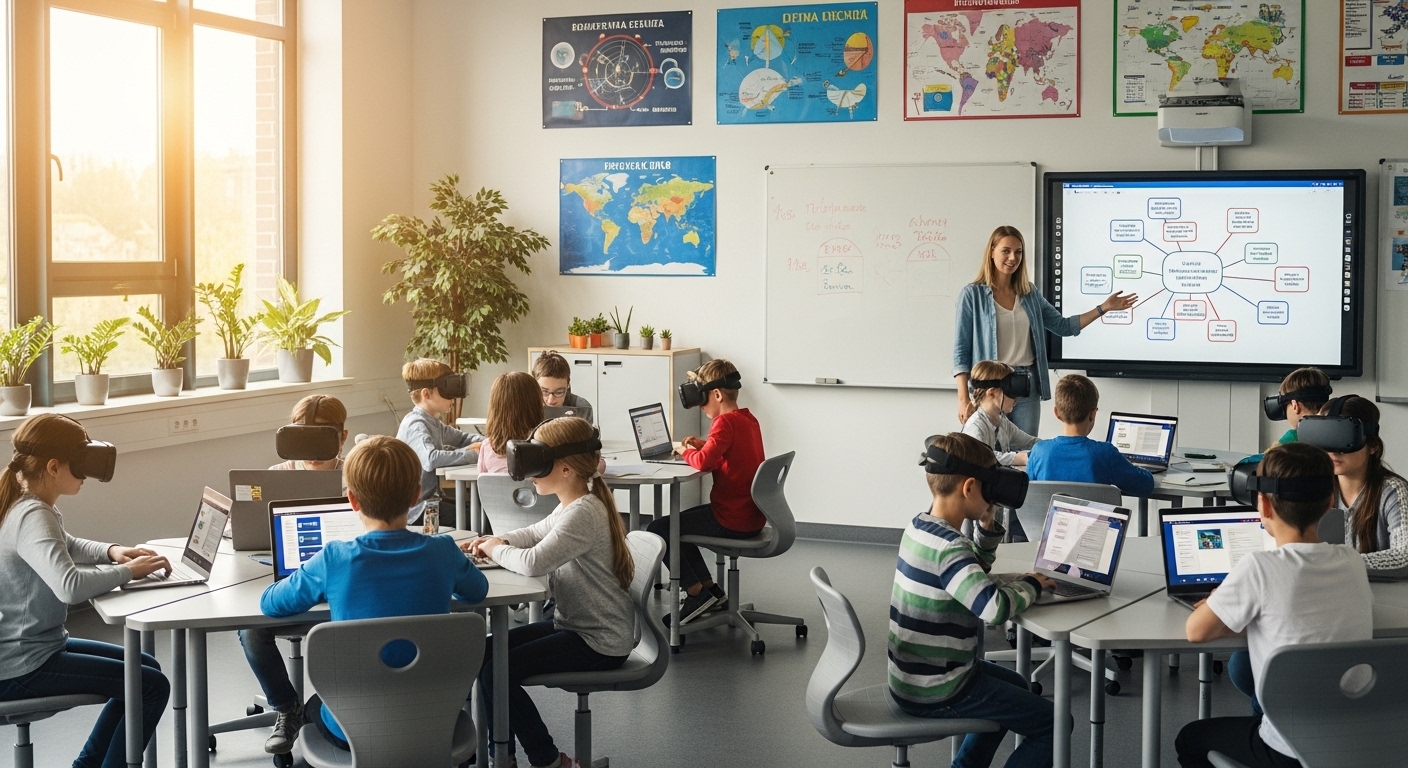
- Nova Scola appears to be an innovative educational model blending traditional academics with modern technology and personalized approaches.
- Research suggests it emphasizes holistic growth, including emotional intelligence and 21st-century skills like critical thinking and collaboration.
- It seems likely that Nova Scola prioritizes project-based learning over rote memorization, fostering adaptability in students.
- Evidence leans toward its value in preparing learners for a changing world, though adoption varies and more long-term studies could clarify impacts.
Understanding Nova Scola
Nova Scola, drawing from Latin roots meaning “new school,” reimagines education by integrating personalized learning paths, technology, and holistic development. This approach addresses gaps in traditional systems, where one-size-fits-all methods often leave students disengaged. Instead, it tailors experiences to individual needs, using tools like virtual reality for immersive lessons.
Key Features
Core elements include blended learning, which combines online and in-person elements, and a focus on emotional intelligence to build resilient learners. STEAM integration encourages creativity, while collaborative environments promote teamwork. Parents and educators note its potential to make learning more relevant and enjoyable.
Potential Benefits and Considerations
Benefits include enhanced critical thinking and real-world readiness, but implementation requires committed teachers and resources. It’s encouraging for forward-thinking families, yet some debate how it balances structure with flexibility. Overall, it offers a promising alternative for modern education.
Imagine a classroom where your child dives into history through virtual reality, collaborates on real-world projects with peers from around the globe, and gets mentorship tailored just to their passions. Sounds like a dream, right? Well, that’s the essence of Nova Scola, a fresh take on education that’s gaining traction for its blend of tradition and innovation.
In a world where jobs evolve faster than textbooks can keep up, Nova Scola steps in as a game-changer. It’s not just about memorizing facts; it’s about sparking curiosity and building skills that stick for life. Let’s unpack what makes this approach so exciting, especially for parents, educators, and students hungry for something more than the standard school day.
Think about how much the world has changed since we were kids. Technology is everywhere, and skills like coding, emotional intelligence, and adaptability are must-haves. Traditional education, with its focus on standardized tests and lectures, sometimes falls short in preparing students for this reality. That’s where Nova Scola comes in, offering a student-centered philosophy that aligns with 21st-century demands.
For forward-thinking parents, it’s a relief to find an option that nurtures the whole child, not just their grades. Educators love it because it reignites their passion for teaching through dynamic methods. And school administrators see it as a way to stand out in a competitive landscape. Plus, with rising concerns about mental health in schools, Nova Scola’s emphasis on holistic education couldn’t be timelier.
But what if you’re skeptical? Many wonder if this is just another trend. Rest assured, real schools and programs adopting Nova Scola principles report higher engagement and better outcomes, as we’ll explore later.
At its heart, Nova Scola rests on a few key pillars that make it stand out. First up is personalized learning paths, where each student gets a roadmap designed around their strengths and interests. No more forcing square pegs into round holes.
Then there’s project-based learning, which turns abstract concepts into hands-on adventures. Imagine kids building sustainable models inspired by history lessons, blending STEAM integration seamlessly.
Collaboration is another big one. Students work in teams, learning to communicate and empathize, which builds emotional intelligence in schools. And don’t forget holistic growth: this approach nurtures minds, bodies, and spirits through wellness activities and mindfulness.
These pillars aren’t rigid; they’re flexible, adapting to each learner’s pace. It’s like having a personal coach for education, guiding without dictating.
Technology isn’t an add-on in Nova Scola; it’s woven into the fabric. Think virtual reality for exploring ancient civilizations or AI tools that adjust lessons in real time based on student progress. This educational technology makes learning immersive and fun, without overwhelming the human touch.
For instance, cloud-based platforms let students collaborate from anywhere, perfect for blended learning environments. But it’s balanced: tech supports, not replaces, face-to-face interactions. Educators use data analytics to spot needs early, ensuring no one falls behind.
Worried about screen time? Nova Scola promotes mindful use, combining digital tools with outdoor projects and discussions. It’s about empowering students to use technology as a tool for creativity, not just consumption.
Curious how Nova Scola stacks up against the old-school way? Let’s break it down. Traditional models often rely on lectures and exams, which work for some but bore others. Nova Scola flips this with active, engaging methods.
Here’s a quick comparison to illustrate:
| Aspect | Nova Scola Approach | Traditional Education Model |
|---|---|---|
| Learning Style | Personalized and project-based | Standardized and lecture-focused |
| Technology Use | Integrated for immersion and collaboration | Often limited to basic tools |
| Focus on Skills | 21st-century skills like creativity and EQ | Core academics with less emphasis on soft skills |
| Assessment | Portfolios, presentations, ongoing feedback | Primarily tests and grades |
| Student Role | Active participants and collaborators | Passive receivers of information |
| Teacher Role | Facilitators and mentors | Instructors and lecturers |
This table shows the shift: Nova Scola innovation in education prioritizes flexibility and relevance. While traditional systems provide structure, they can stifle individuality. Nova Scola bridges this by maintaining rigor while adding excitement.
Take a real example: In traditional settings, history might mean reading chapters. In Nova Scola, students might use VR to “visit” events, discussing impacts in groups. The result? Deeper understanding and retention.
The perks are plenty. Students develop critical thinking and problem-solving, essential for future jobs. Parents report kids coming home excited, not exhausted.
Holistic development through Nova Scola means better emotional health: mindfulness practices reduce stress, building resilience. Collaborative learning environments foster friendships and empathy, reducing bullying.
For educators, it’s empowering. They get to innovate, using tools that make teaching more effective. Schools see higher retention and satisfaction rates.
Long-term? Graduates like Mia Thompson, who started a tech business, credit Nova Scola for their success. It’s about creating adaptable, confident individuals ready for anything.
But it’s not without challenges. Implementing requires training and investment. Still, the benefits of the Nova Scola approach often outweigh the hurdles, especially in a post-pandemic world craving connection.
Nova Scola’s curriculum is like a choose-your-own-adventure book. It starts with core subjects but branches into interdisciplinary themes. STEAM integration shines here, merging science with arts for creative solutions.
Students might tackle environmental projects, using math to model sustainability and history to learn from past mistakes. Flexibility allows diving deeper into passions, like coding or literature.
Assessment? Forget cramming for tests. Portfolios showcase growth, with feedback loops encouraging improvement. This design prepares students not just for college, but for life.
One standout feature is personalized project mentorship. Mentors, often educators or experts, guide students through ideas, from concept to completion. It’s like having a co-pilot for your learning journey.
For example, a student interested in robotics might pair with a tech pro to build a prototype. This builds confidence and real skills. Guardians appreciate this, as it aligns with their child’s unique path.
Doubts about scalability? Small groups and tech help make it feasible, ensuring every student feels seen and supported.
Nova Scola isn’t just about brains; it’s about hearts too. Emotional intelligence in schools is key, with activities like group reflections building empathy.
Wellness integrates daily: yoga sessions or nature walks balance screen time. Social growth comes from diverse collaborations, preparing for a global world.
Parents, think of it as investing in your child’s future self: resilient, kind, and capable. Educators find it fulfilling, seeing transformations beyond academics.
As we’ve explored, Nova Scola is revolutionizing education by balancing technology with human-centric values. It’s a visionary path for those seeking progressive alternatives.
Ready to dive in? Here are three tips to try today:
- Research local schools adopting Nova Scola principles (check sites like nowxpresso.com for guides).
- Start small at home with project-based activities, like family coding nights.
- Connect with educators via forums to learn more about implementation.
What excites you most about this approach? Share your thoughts, and let’s keep the conversation going.
You May Also Like: AURÖ Workshops: A Guide for Young Resource Economists
What makes Nova Scola different from other modern education models?
Nova Scola stands out with its strong emphasis on emotional intelligence alongside STEAM, creating a truly holistic framework. Unlike some tech-heavy programs, it keeps human connections central.
Is Nova Scola suitable for all age groups?
Yes, it adapts from kindergarten to high school, with personalized paths ensuring relevance at every stage.
How does Nova Scola incorporate 21st-century skills?
Through project-based learning and collaboration, it builds critical thinking, adaptability, and tech proficiency essential for future careers.
Can traditional schools transition to Nova Scola?
Absolutely, many start with blended learning pilots, gradually integrating pillars like personalized mentorship.
What are the costs associated with Nova Scola programs?
It varies, but tech tools and training can add expenses; however, long-term benefits like higher engagement often justify it.
How does Nova Scola support students with special needs?
With tailored learning and inclusive tech, it accommodates diverse needs, fostering an empathetic environment.
Where can I find more resources on Nova Scola?
Websites like theroyalstag.com offer in-depth articles, or search for local workshops to experience it firsthand.