
 By Henry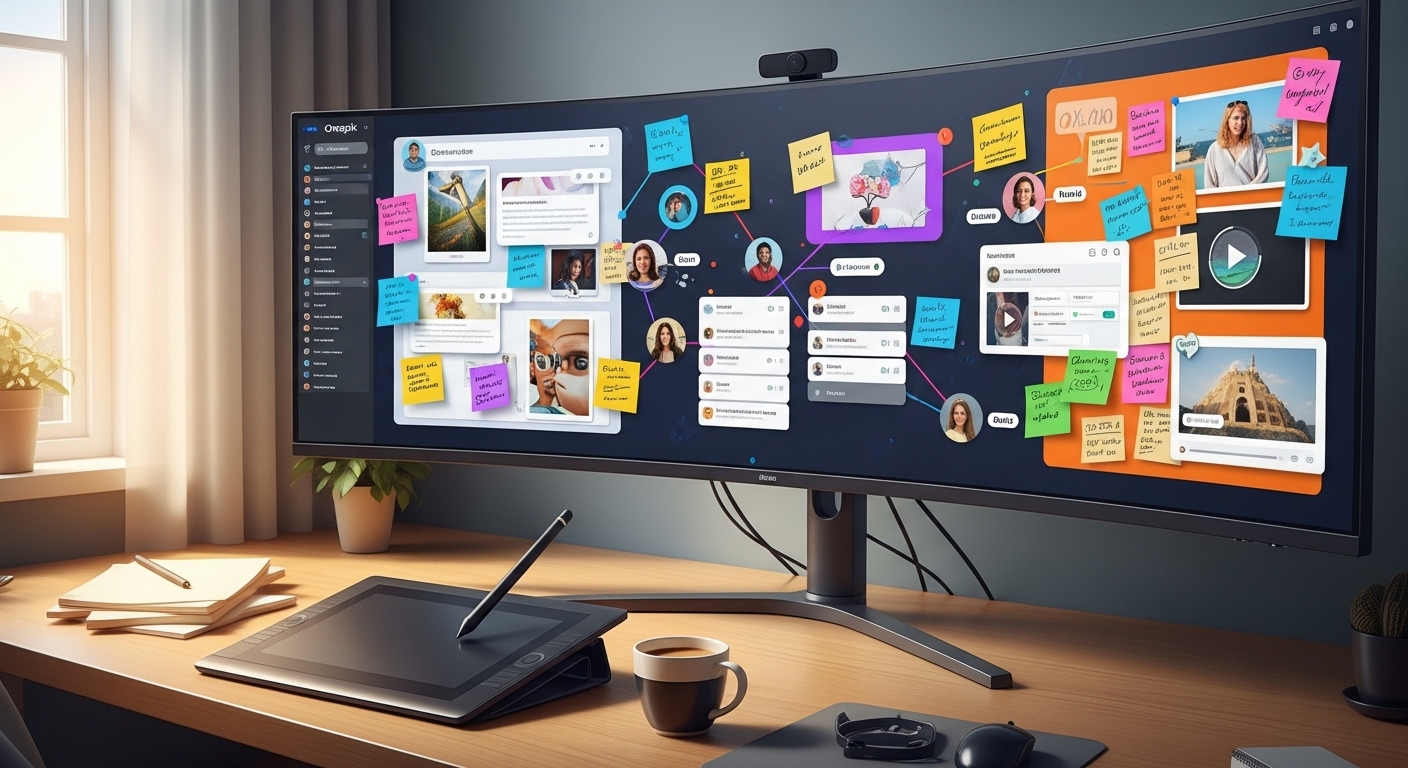
Picture this: your digital life is a mess of scattered notes, endless browser tabs, half-finished designs, and team messages buried in chat threads. Every day starts with the same frantic search for that one important link or idea you jotted down somewhere. Sound familiar? Many creative professionals, remote team leaders, and small business owners live this reality. Oncepik changes that by offering a single, visual-first workspace that brings everything together in a way that feels intuitive and inspiring.
Oncepik is a modern productivity platform built around visual boards where you can organize tasks, ideas, projects, bookmarks, images, videos, and team notes without rigid lists or complicated menus. It bridges professional project management and personal organization, helping users cut through digital clutter and focus on what matters. Whether you are a designer brainstorming concepts, a marketer planning campaigns, or a team leader aligning remote contributors, Oncepik encourages a more natural way of working that boosts creativity and efficiency.
Key Points
- Oncepik excels as a visual workspace that consolidates scattered tools into one platform, reducing context-switching and mental load.
- It supports real-time collaboration, making it ideal for creative teams and remote work.
- Features like drag-and-drop boards, multimedia embedding, smart suggestions, and cross-device sync cater to visual thinkers who struggle with text-heavy apps.
- Evidence from user experiences suggests it can improve focus and productivity, especially for those overwhelmed by traditional tools, though individual results vary based on workflow adoption.
Traditional productivity apps often force you into linear checklists or databases. Oncepik flips that script by prioritizing visuals. Think of it as a digital canvas where you pin images, draw connections, and move elements freely. This approach aligns with how many creatives process information, leading to faster brainstorming and clearer project overviews.
Sign up for a free account on the platform (most sources point to a simple onboarding process). Choose a workspace, pick a template (such as brainstorming, content calendar, or project roadmap), and start dragging in content. The interface feels welcoming, with intuitive tools for adding notes, links, or media right away.
Core Features at a Glance
- Visual Boards: Flexible layouts for arranging tasks, ideas, and assets.
- Real-Time Collaboration: Team members edit together, comment inline, and see live updates.
- Multimedia and Bookmarking: Embed images, videos, PDFs, and save links visually.
- Smart Automation: AI-driven suggestions for organizing tasks or spotting patterns.
- Cross-Device Synchronization: Access your workspace seamlessly on phone, tablet, or desktop.
Creative professionals find Oncepik perfect for mood boards, campaign planning, and feedback loops. Remote team leaders use it to keep everyone aligned without endless meetings. Small business owners consolidate tools to manage everything from client projects to personal notes.
Oncepik has emerged as a compelling option in the crowded productivity space, especially since late 2025 when more creators and teams began sharing their experiences online. It positions itself as a holistic, visual-first alternative to tools like Notion, Trello, or Miro, but with a stronger emphasis on simplicity and creative flow.
The platform centers on interactive visual boards as the main workspace. Users start by creating a board for a specific project or goal. From there, they add cards or elements that can contain text notes, embedded images, video clips, web links, or even files from cloud storage. Drag-and-drop functionality lets you rearrange everything freely, group related items, apply color-coded labels, and draw connections with lines or arrows to show dependencies or workflows. This visual freedom helps users spot patterns, bottlenecks, or opportunities that might stay hidden in traditional list formats.
Real-time collaboration forms a major strength. Invite teammates via email or link, and multiple people can work on the same board simultaneously. Changes sync instantly, with presence indicators showing who is viewing or editing. Inline comments allow feedback directly on a specific element, such as a design mockup or campaign idea, which cuts down on miscommunication and speeds up iterations. For remote or hybrid teams, this creates a shared digital space that feels more like an in-person whiteboard session than a series of disconnected apps.
Knowledge management and bookmarking receive thoughtful attention. Instead of saving links in a browser folder or separate app, users pin them as visual cards on boards. Add screenshots, descriptions, or tags to make retrieval effortless. Multimedia support extends to uploading or embedding photos, videos, and documents, so a marketing team can build a full campaign board with reference images, competitor analysis videos, and draft copy all in one view. Cross-device synchronization ensures these boards stay accessible and up-to-date whether you are on a laptop in the office, a tablet during travel, or a phone checking updates on the go.
Smart automation adds a modern edge. The platform offers AI-assisted features that suggest task groupings, recommend layouts based on content, or highlight overdue items visually. While not as heavy-handed as some AI tools, these suggestions help maintain momentum without overwhelming the user.
Use cases vary widely but shine brightest for visual-heavy work. Designers use Oncepik for mood boards and iterative feedback. Content creators map out editorial calendars with visual timelines and asset libraries. Marketers plan campaigns by pinning audience research, ad creatives, and performance notes together. Project managers track progress with kanban-style boards enhanced by images and real-time team input. Freelancers and small business owners appreciate the all-in-one nature, replacing multiple subscriptions with one workspace that handles client deliverables, invoices, and personal brainstorming.
To illustrate the shift, consider this comparison:
Before Oncepik
- Multiple apps open: Notion for notes, Trello for tasks, Google Drive for files, Slack for chat, Pinterest for inspiration.
- Constant tab-switching leads to lost ideas and context.
- Team feedback scattered across email, chat, and comments.
- Visual thinkers feel constrained by text-heavy interfaces.
After Oncepik
- One workspace with everything visually connected.
- Drag elements around to see relationships instantly.
- Team collaborates live without leaving the board.
- Reduced mental load, faster decisions, and more creative output.
Pros and cons emerge clearly from user discussions:
| Aspect | Pros | Cons |
|---|---|---|
| Interface | Intuitive, visually appealing, drag-and-drop freedom | Slight learning curve for those used to lists |
| Collaboration | Real-time edits, inline comments, seamless sharing | Requires internet; offline mode limited |
| Organization | Consolidates tools, reduces clutter | Flexibility can feel overwhelming at first |
| Creativity Support | Multimedia embedding, visual connections | Less structured than rigid PM tools |
| Accessibility | Cross-device sync, templates for quick start | Newer platform, fewer integrations than giants |
Best practices help new users succeed. Start small with one project board rather than migrating everything at once. Use templates to avoid blank-canvas paralysis. Establish team conventions early, such as color meanings or tagging rules. Review boards weekly to archive completed items and keep the workspace clean. Experiment with multimedia to make boards more engaging; a photo or quick video often communicates better than paragraphs of text.
Many users report noticeable improvements after a few weeks. Creative teams describe faster iteration cycles and fewer revision rounds. Remote leaders note better alignment without extra meetings. Individuals mention feeling less overwhelmed, with ideas captured and accessible instead of lost in notes apps.
In a world where digital tools multiply faster than we can learn them, Oncepik offers a refreshing consolidation. It respects how visual thinkers work and provides a space where creativity and productivity coexist comfortably.
- Oncepik turns scattered digital content into a unified visual workspace.
- Real-time collaboration keeps teams aligned and responsive.
- Visual boards support natural thinking with drag-and-drop freedom.
- Multimedia and bookmarking features make it ideal for creatives.
- Start small, use templates, and build habits gradually for best results.
What do you think? Have you tried a visual-first tool like Oncepik? Share your experience in the comments or give it a try on your next project. The switch might surprise you.
You May Also Like: Is Your Business on the NPCs Register? Here’s How to Check