
 By Henry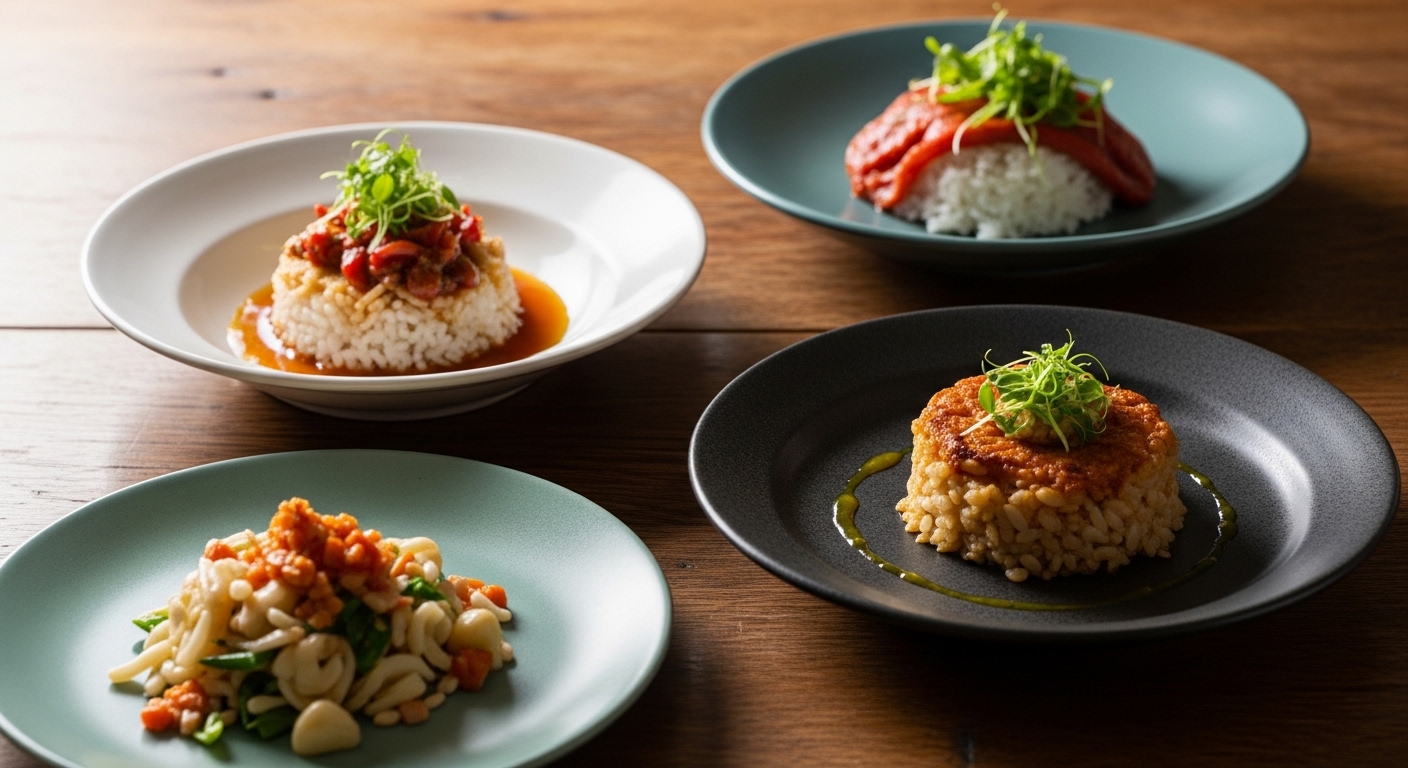
Imagine biting into a dish that whispers stories of ancient trade routes and family gatherings, where each spice dances on your tongue like a memory from generations past. Soutaipasu, a term rooted in harmony and adaptation, represents more than just food; it is a heritage cuisine that blends mindful eating with cultural identity.
Key Points:
- Research suggests soutaipasu originated in Southeast Asian and Japanese traditions, evolving through cultural exchanges to emphasize relative balance in flavors and life.
- It promotes adaptive pathways, encouraging flexible approaches to nutrition and wellness, much like navigating life’s twists with resilience.
- Evidence leans toward its benefits in holistic nutrition, including fermentation for gut health and slow cooking for nutrient retention, offering alternatives to rigid diets.
- While celebrated for fostering community, some debates highlight regional variations that may challenge authenticity in modern adaptations.
Soutaipasu embodies traditional wellness through its focus on ancestral diet principles. At its heart lies the philosophy of relative balance, where ingredients are chosen not in absolutes but in harmony with seasons, personal needs, and surroundings. This approach invites health-conscious foodies to explore culinary heritage without the constraints of mainstream diet culture.
Picture the tangy umami of fermented fish sauce mingling with fresh herbs; that is the essence of soutaipasu’s vibrant profiles. It uses slow cooking techniques to build layers, creating meals that nourish both body and spirit.
Start small by incorporating soutaipasu elements into daily routines, like adding fermented veggies to salads for fermentation benefits. For more, visit sites like Journals of the Heart for recipes.
Have you ever wondered how a simple bowl of noodles could carry the weight of centuries-old wisdom, or how a stew might teach you about life’s delicate balance? Soutaipasu invites you into this world, a heritage cuisine that weaves together flavors, philosophy, and cultural roots in ways that feel both timeless and refreshingly modern. As we dive deeper, you will discover how this concept, often tied to adaptive pathways and relative balance, can transform your approach to mindful eating and holistic nutrition.
Soutaipasu traces its beginnings to ancient culinary practices in regions influenced by Southeast Asian and Japanese traditions. Emerging from local ingredients and techniques, it developed as early settlers merged their flavors with indigenous methods, creating dishes that symbolized hardship and festivity alike. Trade routes played a key role, introducing spices and herbs from distant lands, enriching recipes over generations. For instance, in Japan, soutaipasu often manifests as winter noodles, reflecting seasonal changes and communal gatherings.
Over time, family recipes have been passed down, adapted to modern tastes while preserving core elements like fermentation benefits and slow cooking techniques. This evolution keeps soutaipasu vibrant, honoring its culinary heritage even as it embraces novelty. Think of it as a bridge between past and present, where each adaptation honors cultural identity without losing the essence of traditional wellness.
At the core of soutaipasu lies a philosophy centered on relative balance and adaptive pathways. The term itself, drawing from concepts of harmony (soutai) and path (pasu), suggests not rigid rules but flexible approaches to nourishment. It encourages practitioners of mindful living to view meals as opportunities for resilience, adapting ingredients to personal needs or seasons rather than following strict diets.
This mindset translates into a resilient outlook, where “relative pathways” mean navigating life’s challenges with the same grace as balancing spicy and sweet in a dish. For those seeking alternatives to mainstream diet culture, soutaipasu offers a holistic nutrition framework that nurtures body, mind, and community. It is about savoring the moment, engaging senses fully, and connecting to ancestral diet wisdom that promotes overall well-being.
Soutaipasu cuisine bursts with a tapestry of flavors that excite the senses. Central ingredients include fresh herbs like cilantro and lemongrass, aromatic spices such as chilies, and fermented elements like fish sauce or shrimp paste for that profound umami kick. Rice often serves as the comforting base, while seafood, seasonal vegetables, and coconut milk add creaminess and freshness.
Fermentation benefits shine here, adding complex layers that make every bite multifaceted. Slow cooking techniques, like simmering stews, build depth, ensuring nutrients are retained. Imagine the heat from chilies tempered by tangy citrus, or the chewiness of noodles in a savory broth; these combinations create harmony, reflecting the philosophy of relative balance.
To illustrate, here is a table comparing key ingredients and their roles:
| Ingredient | Role in Soutaipasu | Benefits |
|---|---|---|
| Fresh Herbs (e.g., Cilantro, Lemongrass) | Add aromatic depth and freshness | Support digestion, provide antioxidants |
| Fermented Products (e.g., Fish Sauce) | Introduce umami and complexity | Promote gut health through probiotics |
| Spices (e.g., Chilies) | Bring heat and vibrancy | Boost metabolism, offer anti-inflammatory properties |
| Rice or Noodles | Serve as staple base | Provide sustained energy, align with ancestral diet |
| Seasonal Vegetables | Enhance color and texture | Deliver fiber and vitamins for holistic nutrition |
| Coconut Milk | Lend creaminess | Add healthy fats for satiety |
This balance not only tantalizes the palate but also supports traditional wellness by using whole, unprocessed elements.
Why does soutaipasu matter today? Research suggests its emphasis on fermentation benefits and holistic nutrition offers real advantages for health-conscious foodies. Fermented components aid digestion and boost immunity, while slow cooking preserves nutrients like vitamins and minerals. Ingredients rich in fiber from vegetables promote heart health and reduce inflammation, making it a smart choice for those exploring ancestral diet options.
Beyond physical perks, the philosophy encourages mindful eating, turning meals into meditative practices that foster mental resilience. For individuals interested in heritage-based wellness, incorporating soutaipasu can lead to better energy levels and a deeper sense of cultural connection. It is no wonder this approach is gaining traction as an alternative to fad diets, focusing instead on sustainable, adaptive pathways to well-being.
Here is a simple chart (described in text) to visualize benefits:
- Gut Health: High from fermentation (e.g., probiotics in shrimp paste).
- Immunity Boost: Medium-high via herbs and spices (e.g., chilies for vitamin C).
- Energy Sustainment: High through carbs in rice/noodles.
- Mental Wellness: Enhanced by communal, mindful preparation.
Ready to try soutaipasu at home? Traditional recipes highlight simplicity and depth. Take Soutai Stew: Simmer tender meats, seasonal vegetables, and spices in a pot for hours, allowing flavors to meld. Or Soutaipasu Noodles: Boil wheat noodles in dashi broth, top with scallions, mushrooms, and a soft-boiled egg for umami-rich comfort.
For a sweet touch, make Sticky Rice Balls with coconut sugar. These dishes use slow cooking techniques to draw out essence, perfect for family gatherings. Beginners can start with basic tools like a wok or steamer, sourcing ingredients from Asian markets. Experimentation is key; adjust spices for your palate, embodying adaptive pathways.
Table of Traditional vs. Modern Recipes:
| Recipe | Traditional Version | Modern Twist | Prep Time |
|---|---|---|---|
| Soutai Curry | Spices, veggies, meats in coconut milk | Add Thai basil, serve with sushi rice | 45 min |
| Herb Soup | Fresh herbs in light broth | Infuse with yuzu for citrus kick | 20 min |
| Grilled Skewers | Marinated seafood on sticks | Vegan version with tofu | 30 min |
| Rice Cakes | Steamed rice flour with sugar | Fusion with chocolate | 25 min |
These ideas make soutaipasu accessible, blending culinary heritage with everyday ease.
Incorporating soutaipasu into modern life is simpler than you might think. Begin by swapping processed snacks for fermented veggies, or use slow cooking techniques in your Instant Pot for weeknight meals. For cultural enthusiasts, host a soutaipasu-themed dinner, sharing stories of its origins to build community.
Health benefits of soutaipasu cuisine extend to daily routines; pair it with mindful practices like eating without distractions to enhance relative balance. Adapt recipes to dietary needs, such as plant-based versions, ensuring it fits your lifestyle. Brands like those in Tokyo’s Soutai Haven or New York’s East Meets West Bistro show how fusions keep it relevant. This flexibility makes soutaipasu a beacon for those seeking traditional wellness in a fast-paced world.
In today’s fragmented world, soutaipasu matters because it revives cultural identity through food. It fosters connections, symbolizing prosperity and joy at festivals or family tables. As global interest grows, it inspires sustainable practices, like using local produce to reduce environmental impact.
Yet, debates arise around authenticity; some argue modern fusions dilute heritage, while others see them as adaptive pathways forward. Regardless, its emphasis on mindful eating and holistic nutrition positions soutaipasu as a counter to diet culture, encouraging empathy for diverse traditions.
- Explore local markets for fresh herbs and fermented goods.
- Try a simple recipe like herb soup this weekend.
- Join online communities for soutaipasu recipes and tips.
- Pair meals with mindfulness exercises for full benefits.
- Share your creations on social media to connect with others.
Share your experience below! How has soutaipasu inspired your wellness journey?
You May Also Like: The Ultimate Guide to Musté: Flavors, Benefits, and Simple Recipes
What is the meaning and origin of soutaipasu?
Soutaipasu refers to a heritage cuisine emphasizing harmony, originating from ancient Southeast Asian and Japanese traditions influenced by trade and local adaptations.
What are the health benefits of soutaipasu cuisine?
It supports digestion through fermentation, boosts immunity with spices, and promotes heart health via balanced, nutrient-rich ingredients.
How to cook soutaipasu at home?
Start with basic recipes like stews or noodles, using slow cooking to build flavors; adjust spices for personal taste.
What is the philosophy of soutaipasu balance?
It focuses on relative balance and adaptive pathways, encouraging flexible, mindful approaches to eating and living.
Why does soutaipasu matter today?
It revives cultural identity, offers holistic nutrition alternatives, and fosters community in modern diets.
What are traditional soutaipasu recipes?
Classics include curries, soups, skewers, and rice cakes, often featuring fermented elements for depth.
How to incorporate soutaipasu into a modern diet?
Blend it into daily meals with fusions, like adding herbs to salads or using slow cookers for convenience.