
 By Henry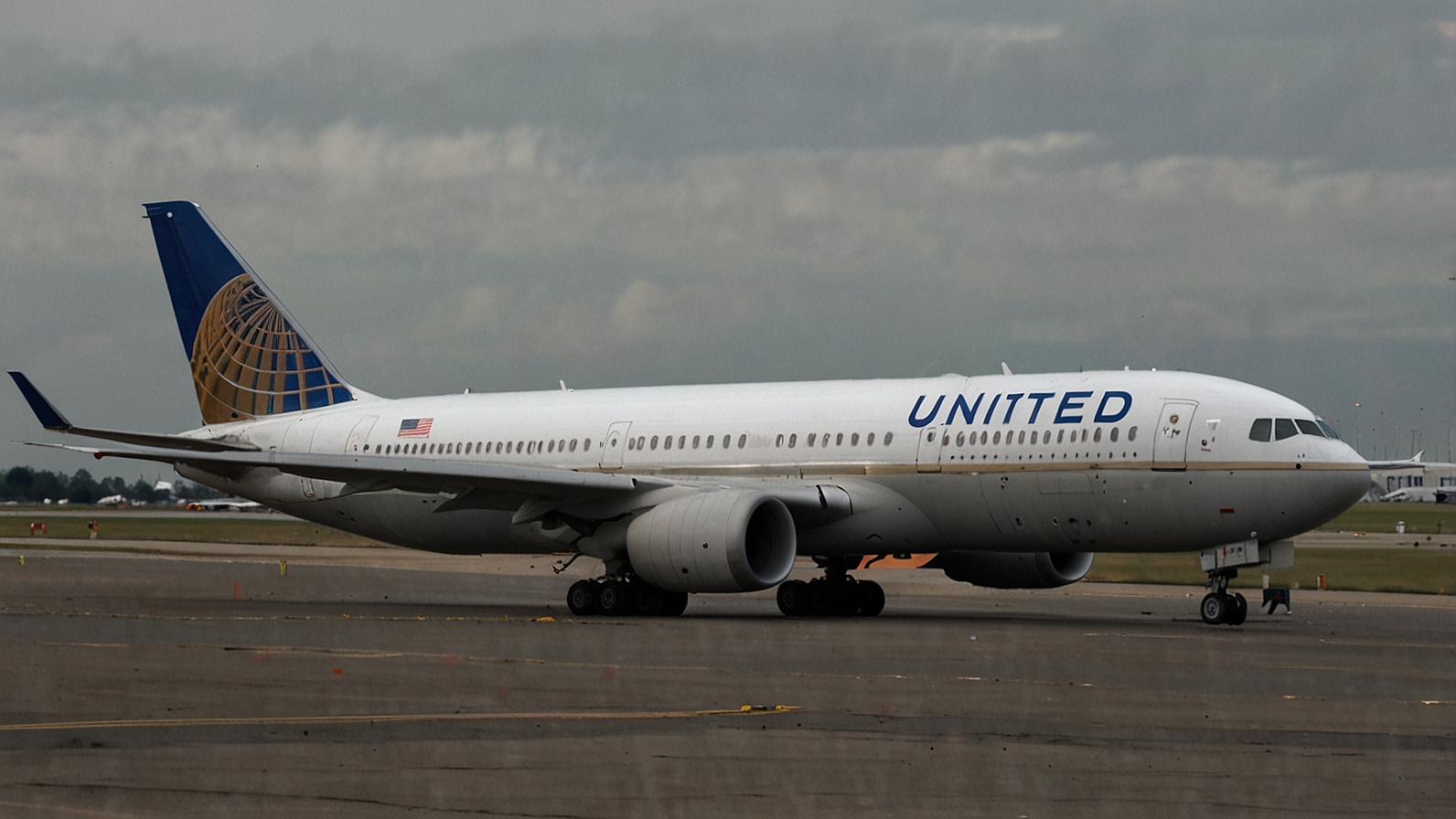
Key Points
- On May 27, 2025, United Airlines Flight UA770, a Boeing 787-9 Dreamliner flying from Barcelona to Chicago, diverted safely to London Heathrow after a cabin pressurization system alert.
- The crew declared an emergency (Squawk 7700) as a precaution; no rapid decompression occurred, no injuries were reported, and all passengers and crew landed safely.
- This incident highlights aviation safety protocols working effectively rather than a major failure. Diversions for technical alerts are rare but demonstrate proactive decision-making.
- The Boeing 787 series has an excellent safety record, and this event was unrelated to other Boeing issues like those with the 737 MAX.
- Research and reports indicate such alerts are handled routinely through training and systems designed to prioritize safety.
United Airlines Flight UA770 departed Barcelona El Prat Airport (BCN) bound for Chicago O’Hare (ORD). About 90 minutes into the transatlantic flight, the pilots received an alert related to the aircraft’s cabin pressurization system. Following standard procedures, they declared an emergency, coordinated with air traffic control, and diverted to the nearest suitable major airport: London Heathrow (LHR). The plane landed without incident around 4:55 PM BST. United confirmed the diversion and arranged support for passengers.
Events like this can feel alarming, but they show how seriously airlines and crews take even potential issues. Cabin pressurization alerts trigger immediate action to ensure comfort and safety long before any risk develops. Diversions are a sign of caution, not crisis.
Details come from aviation tracking sites and news reports, including real-time flight data and airline confirmations.
United Airlines Flight UA770’s emergency diversion on May 27, 2025, captured attention because it reminded everyone that even the most advanced aircraft can encounter technical alerts mid-flight. Yet the story is far more about reassurance than alarm. The flight, operated by a Boeing 787-9 Dreamliner (registration N26902), was a routine transatlantic service from Barcelona to Chicago. Roughly 90 minutes after takeoff, cruising over the Atlantic at around 37,000 feet, the cockpit received a caution message tied to the cabin pressurization system.
The pilots, trained extensively for such scenarios, followed protocol precisely. They declared an emergency using the universal Squawk 7700 code on the transponder, which immediately signals air traffic control worldwide to give the flight priority. The crew then turned toward London Heathrow, one of Europe’s best-equipped airports for handling emergencies, and landed safely on runway 27R before taxiing to gate B44. United Airlines confirmed the diversion to media outlets and planned a short ground stop before continuing operations. No passengers or crew were injured, and the aircraft was inspected by maintenance teams on the ground.
This outcome underscores a core truth in modern aviation: safety systems are built with multiple layers of redundancy. The Boeing 787-9 Dreamliner features one of the most advanced cabin environments in commercial aviation. Unlike older aircraft, the 787 maintains cabin pressure equivalent to about 6,000 feet above sea level even at cruising altitude, reducing fatigue on long flights. The pressurization system uses bleed air from the engines to regulate cabin pressure, outflow valves to manage it, and sophisticated sensors to detect any irregularity.
A typical cabin pressurization diagram illustrates how air is conditioned, pressurized, and vented. Alerts like the one on UA770 often stem from sensor discrepancies or minor valve adjustments rather than catastrophic failure. Crews train in simulators for rapid and slow depressurization, ensuring they can respond calmly and methodically. In UA770’s case, the alert prompted a precautionary diversion without any reported drop in cabin altitude or oxygen mask deployment.
The decision to divert rather than continue was textbook aviation decision-making. Continuing over the Atlantic with even a potential pressurization concern would violate ETOPS (Extended-range Twin-engine Operational Performance Standards) requirements for the 787. Heathrow offered immediate access to full maintenance facilities, medical support if needed, and a familiar environment for United crews. The flight path adjustment was smooth, and tracking data showed the aircraft maintaining a stable descent profile.
Flight tracking imagery from the time captured the diversion arc: departing Barcelona, turning northeast across France, and landing at Heathrow. This visual helps illustrate how quickly and efficiently the crew rerouted.
A United Boeing 787-9 approaching a landing shows the controlled, professional nature of such arrivals. Emergency vehicles were present as a standard precaution, but passengers disembarked normally via jet bridges.
Many passengers later shared that the crew communicated clearly and kept the cabin atmosphere calm. Crew members explained the situation, reassured everyone, and prepared for a safe landing. United provided re-accommodation, meals, and support for those affected by the delay. The incident did not involve any structural concerns or link to unrelated Boeing models like the 737 MAX, which faced different issues in prior years.
Diversions happen occasionally across the industry, often for minor technical alerts, medical needs, or weather. The FAA and international regulators track these events to refine procedures. UA770 fits into a pattern where early detection prevents escalation. The 787 fleet has logged millions of flight hours with an outstanding safety record, thanks to composite materials, efficient engines, and advanced avionics.
Timeline of Key Events
| Time (Approximate) | Event |
|---|---|
| 15:15 CEST | UA770 departs Barcelona El Prat (BCN) for Chicago O’Hare (ORD) |
| ~16:45 CEST | Cabin pressurization system alert received in cockpit |
| ~16:50 CEST | Emergency declared, Squawk 7700 activated, diversion to London Heathrow initiated |
| 16:55 BST | Safe landing on runway 27R at Heathrow |
| Shortly after | Aircraft at gate B44, passengers disembark normally |
| Following hours | Maintenance inspection, passenger support arranged by United |
This table captures the sequence based on tracking data and reports. The entire process unfolded efficiently, reflecting rigorous training and clear communication between pilots, ATC, and airline operations.
When headlines mention “emergency diversion,” it’s easy to picture chaos. In reality, UA770 exemplifies the opposite: a high-functioning safety net. Pilots don’t wait for problems to worsen; they act early. Airlines invest heavily in simulator training, redundant systems, and real-time monitoring. The result? Commercial aviation remains one of the safest modes of transportation, with accident rates far lower than driving.
For nervous flyers, remember: a diversion is often the safest choice. Crews are prepared, aircraft are over-engineered for reliability, and airports like Heathrow are ready for such scenarios. UA770’s story is less about what went wrong and more about what went right when something needed attention.
- Cabin pressurization alerts are taken seriously and trigger immediate precautionary steps.
- Squawk 7700 gives flights top priority in airspace, ensuring quick clearance.
- Diversions to major hubs like Heathrow provide the best resources for resolution.
- The Boeing 787-9’s design prioritizes passenger comfort and safety at high altitudes.
- No injuries or major damage occurred, reinforcing that protocols protect everyone.
You May Also Like: The Master’s Guide to Falotani: History, Meaning, and Modern Uses
What caused the UA770 diversion?
Preliminary reports point to a cabin pressurization system alert. The exact trigger remains under review, but it was handled as a precaution without any rapid pressure loss.
Was the flight in danger?
No rapid decompression occurred. The crew acted proactively to avoid any potential risk, which is standard for such alerts.
How common are emergency diversions?
They are uncommon relative to millions of flights annually but occur for various reasons, including technical or medical issues. Most resolve safely.
Did passengers need oxygen masks?
No reports indicate masks deployed. The cabin environment remained stable.
Is the Boeing 787-9 safe after this event?
Yes. The type has an exemplary record, and this incident was isolated and managed without issue.
What happened to the passengers afterward?
United assisted with rebooking, accommodations, and updates. Most continued to Chicago after the ground stop.